At Imaginable Futures, we fund change that is deeply local, rooted in the particular histories and realities of Brazil, Kenya, and the US. We learn alongside the partners and communities we serve.
At the same time, the world is changing — fast, and in ways that are hard to predict, touching every corner of the planet. As an organization committed to a systems thinking approach, that means lifting our heads to scan the global horizon. Sense-making our way through what’s shifting helps us understand what it means for the learners, partners, and communities we’re already committed to — both today and in the world they will inherit tomorrow.
We see this as the same commitment to our vision that, “thriving belongs to everyone,” viewed at two different distances: staying close to the realities in front of us while staying alert to the forces reshaping them.
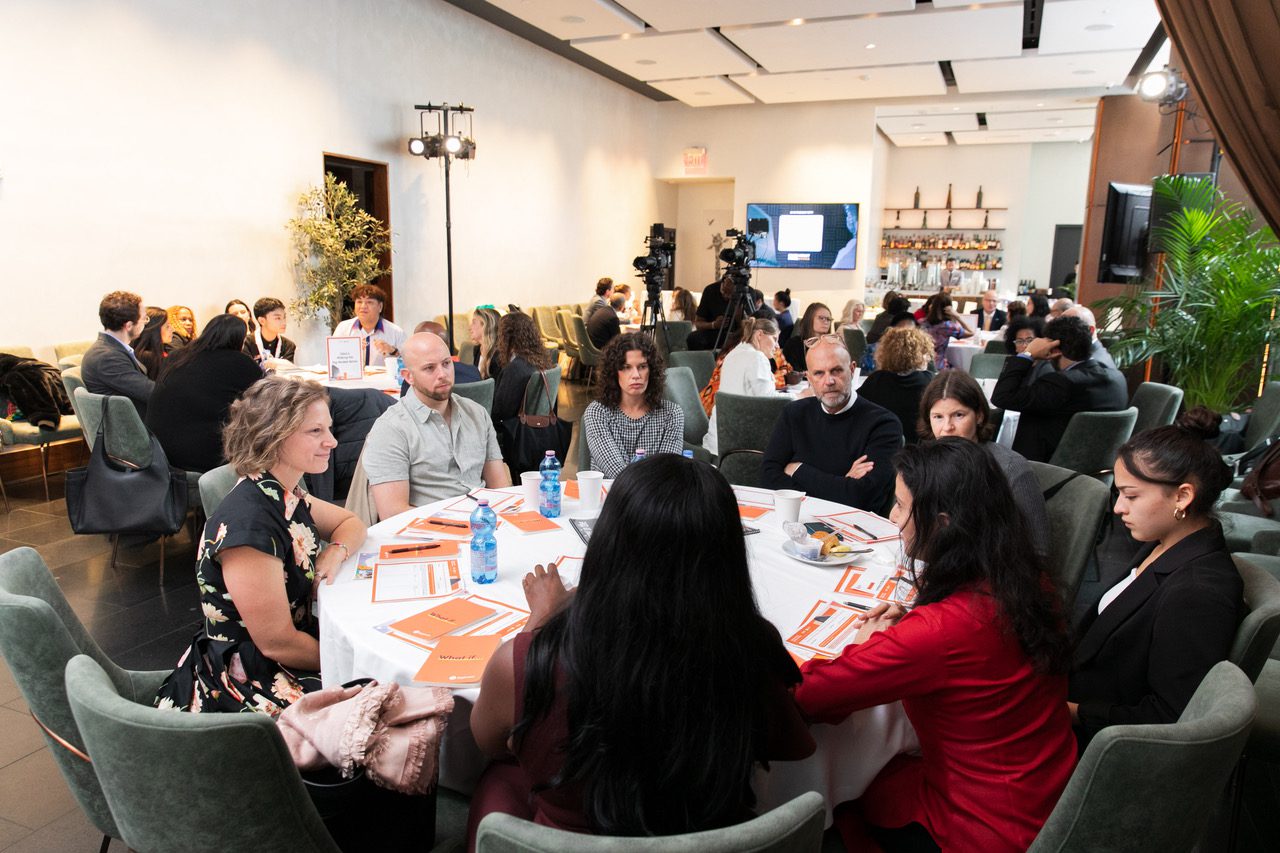
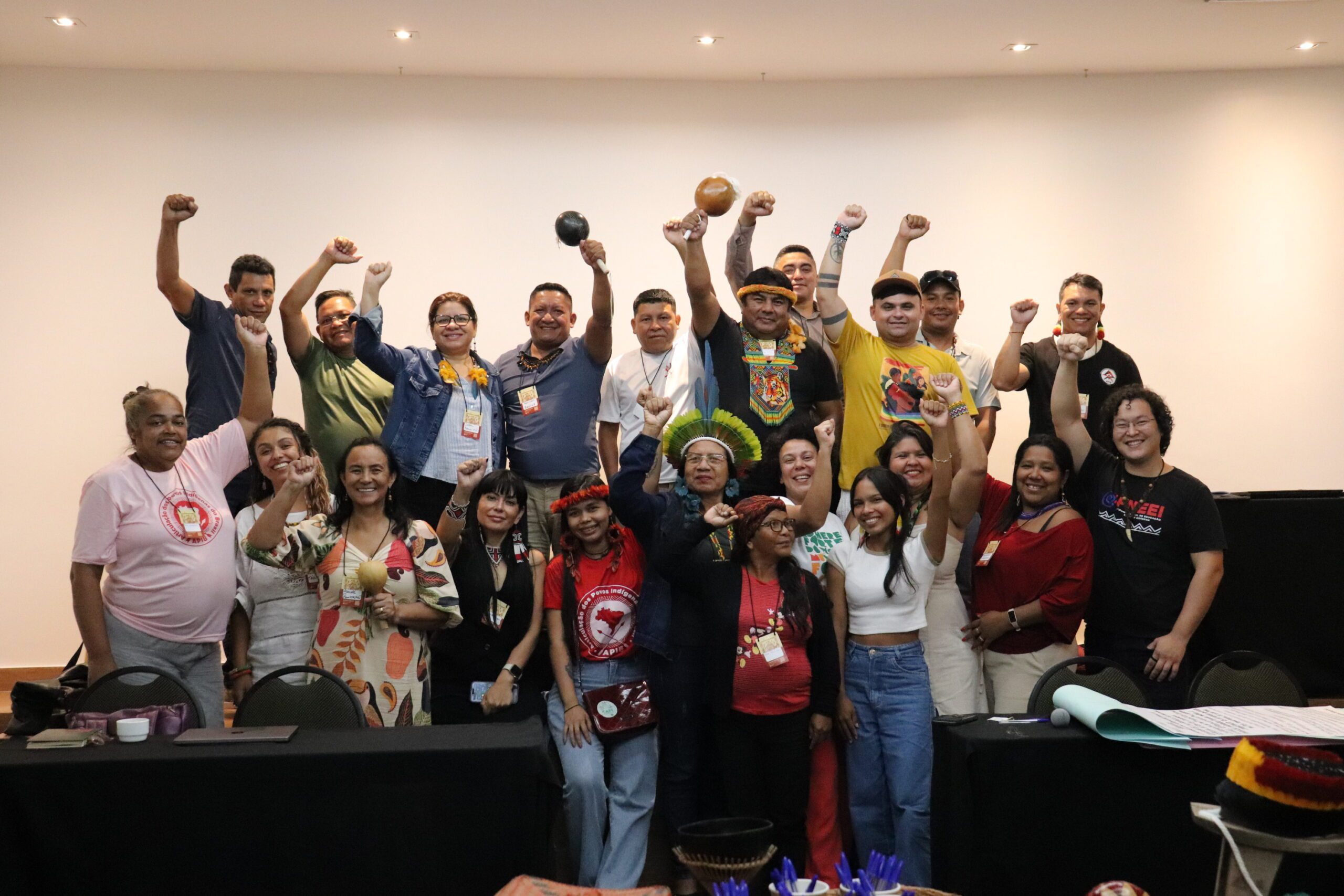
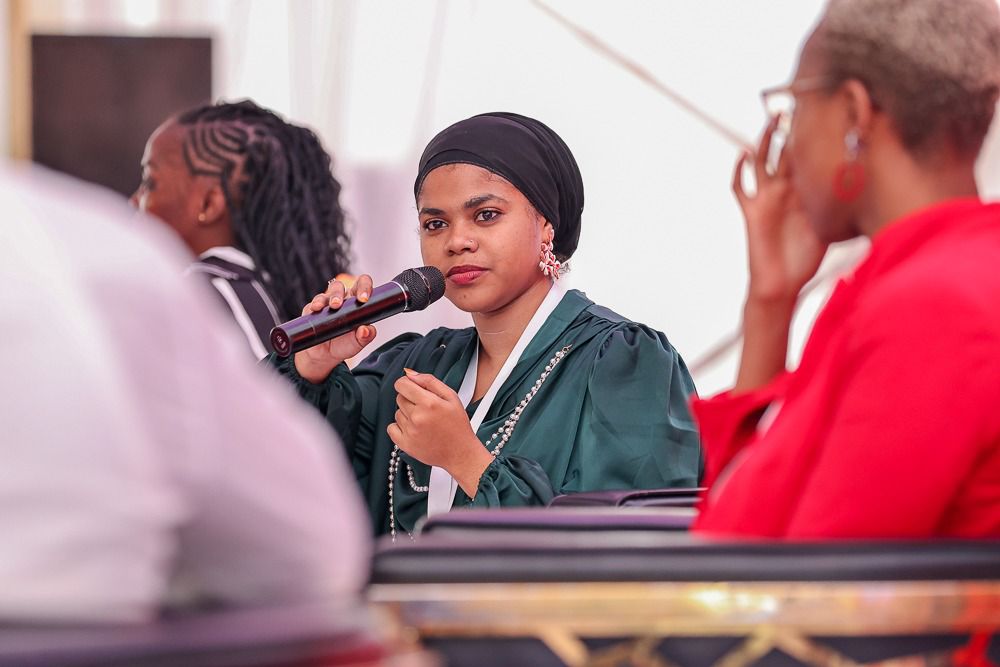
This ever-evolving and uncertain vision of the future helps us to create the space to reimagine what could be possible for learners tomorrow that isn’t true today. For example, in our US work, we are reimagining how early care and learning can better support children and families through the What IF Collective. In Kenya, we are exploring how informal and formal learning pathways and work can lead young people toward dignified, meaningful lives. In Brazil, we are exploring how the rituals of Indigenous peoples bring us closer to lessons we will need in the future.
And globally, as we scan the horizon for signals of change and reimagine what could be, we ask questions such as:
- What larger forces are changing the world learners are growing into?
- What might those shifts mean for the things we already care deeply about?
- What should we be paying attention to now if we want learners to thrive not only today, but tomorrow?
- And what is the role of funders in bridging the horizons of change?
It would be impossible to ask those questions right now without thinking about artificial intelligence.
AI is already clearly changing how we access information, create, communicate, work, and learn. No one knows exactly where those changes will take us. But if our work is about reimagining learning for the future, this felt like a moment we couldn’t afford to simply watch from the sidelines.
So this year we took time to explore these questions both within our geographies and also more globally, starting with a new report we are excited to share called Learning in the Age of AI.
Through this research, we spoke with more than 50 educators, researchers, funders, technologists, parents, community leaders, and young people across 16 countries. We sought out people at the center of conversations about AI and people whose perspectives are too often absent from them.
We intentionally approached this as a question of human development, not technology adoption: What will young people need to thrive in a world increasingly shaped by AI—and how might learning need to evolve to help them get there?
What we heard was both reassuring and challenging: AI doesn’t fundamentally change what we want for young people. But it raises the stakes for whether we can actually deliver it.
We intentionally approached this as a question of human development, not technology adoption: What will young people need to thrive in a world increasingly shaped by AI—and how might learning need to evolve to help them get there?
What We Are Taking Away
While we didn’t come away from this work with a prediction for the future of education—or even a prescription for how AI should fit within it—what did emerge were five ideas we think are important to hold onto as all of us navigate what comes next. Many of these ideas aren’t new, but our hope is to add to the work of the many organizations already deeply engaged in these questions, while sharing what rose to the surface for us.
1. The future of learning is still fundamentally human.
AI may change how we learn and work, but the capabilities young people need most aren’t new: agency, judgment, curiosity, connection, adaptability, and the ability to keep learning. If anything, AI makes developing these capacities more urgent.
2. How we use AI matters as much as whether we use it.
Across our conversations, we heard enormous possibilities alongside real tensions. AI can deepen learning or provide a shortcut around it. It can expand a learner’s world or narrow it. It can strengthen human relationships and support—or displace them. Those outcomes aren’t inevitable; they depend on the choices we make.
3. This is an opportunity to rethink learning systems and resource the experts within them—not simply add technology.
Some of the most interesting possibilities we heard weren’t about putting an AI tool in every learner’s hands. They were about longstanding challenges: giving teachers more time and support, rethinking what and how we assess, connecting learning more meaningfully to life and work, and expanding the systems of support surrounding learners and families.
4. Equity must be designed in from the beginning.
AI has the potential to expand access and possibility, but those benefits will not automatically be shared equitably. Who designs these systems, whose knowledge they reflect, who controls the data and value they generate, and who gets to make decisions about how they are used will shape who ultimately benefits. An equitable future of learning requires communities and young people—particularly those whose perspectives are too often absent from technology conversations—to have a meaningful role in making those choices and shaping what comes next.
5. For funders, uncertainty is not a good enough reason to sit on the sidelines.
The future isn’t predetermined. That means those of us in philanthropy have both an opportunity and a responsibility to help shape it by funding the leaders right in the thick of it. We don’t need to have all the answers (an impossible task anyway!). But we can hold curiosity and caution in equal measure, act however imperfectly, and stay in conversation — especially with young people. We can back educators, communities, leaders, and young people who are asking hard questions, testing new possibilities, and building solutions grounded in the realities of learners.
What this Means for Imaginable Futures
We began this work by stepping back and looking toward the horizon. Now comes the harder—and more important—part: bringing what we’re learning back into our core work.
Guided by our Courageous Learners value, we want to approach this moment with the same mindset we’re asking of our fellow funders: with curiosity and caution, but also a willingness to act before every answer is clear.
For us, that means continuing to explore what AI and a rapidly changing world mean for learners at different altitudes—from work rooted in the particular contexts of Brazil, Kenya, and the United States to global opportunities to learn, collaborate, and help strengthen the field. And it means beginning to make grants that allow us to test ideas, learn alongside others, and support leaders within and beyond our current portfolio who are already shaping what comes next.
We’ll share more about those grants and projects—and what we’re learning from them—in the months ahead.
Because one idea from this research continues to stay with us: the impact AI has on learning is ours to shape.
We hope Learning in the Age of AI contributes to that collective effort and encourages more of us to play an active role in building the future we want for learners, today and tomorrow.