O conteúdo do nosso site é traduzido para o português com uso de inteligência artificial e, sempre que possível, revisado por humanos. Encontrou um erro? Entre em contato conosco.
Swahilipot Hub Foundation is a Community Based Organization based in Mombasa, Kenya that supports young people to build livelihoods from solutions rooted in their communities. When we began working alongside Swahilipot in 2023, they had reached 4,000 young people. Today, their work reaches more than 36,000 youth. What we’re learning through this journey is that this growth is not just about expanding access, it’s about centering wellbeing in how young people are supported to thrive.
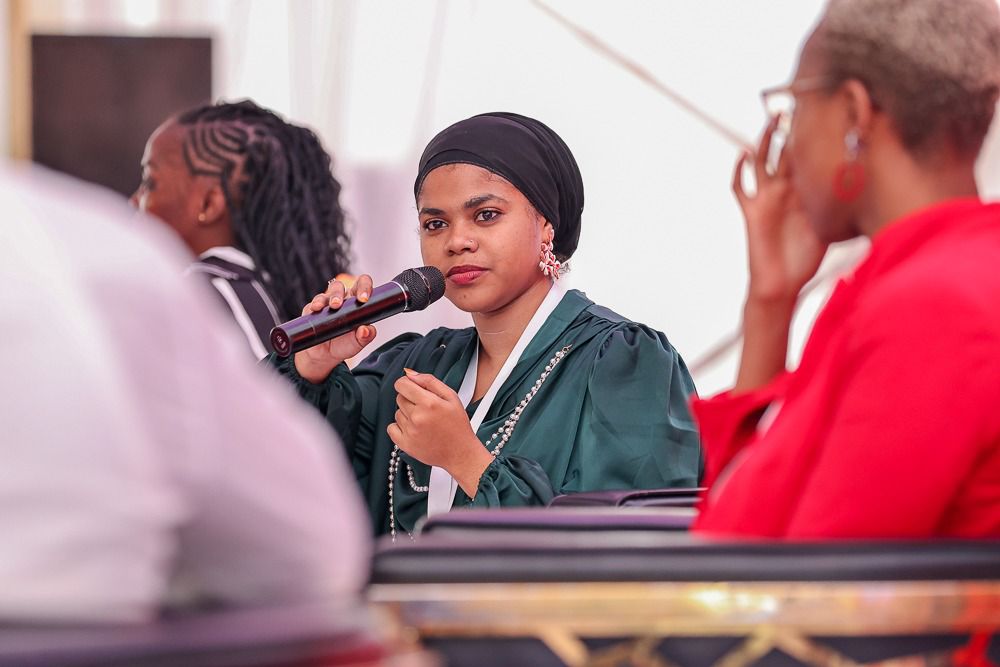
Shazmeen almost didn’t finish school. Growing up along Kenya’s coast, she faced increasing pressure to leave school early and get married, a path that many girls around her were expected to follow. Though normalized, it narrowed what felt possible. For a long time, it felt like the system around her wasn’t built to support her dreams or her wellbeing. Like many young people along Kenya’s coast, Shazmeen was navigating limited pathways forward, and an unspoken sense that her dreams might not be valid.
A chance encounter with Swahilipot’s founder, Mahmoud Noor, became a turning point. Getting involved with Swahilipot connected her to a network of young people navigating similar realities, alongside mentorship and, eventually, a university scholarship. But more than opportunity, it gave her a sense of belonging, renewed confidence, and the space to reimagine her future. Through that support, she discovered a passion for mental health, recognizing how many young people like her navigate pressure and silence alone. That is the power of the Swahilipot model, connecting young people to familiar spaces that help them see what’s possible.
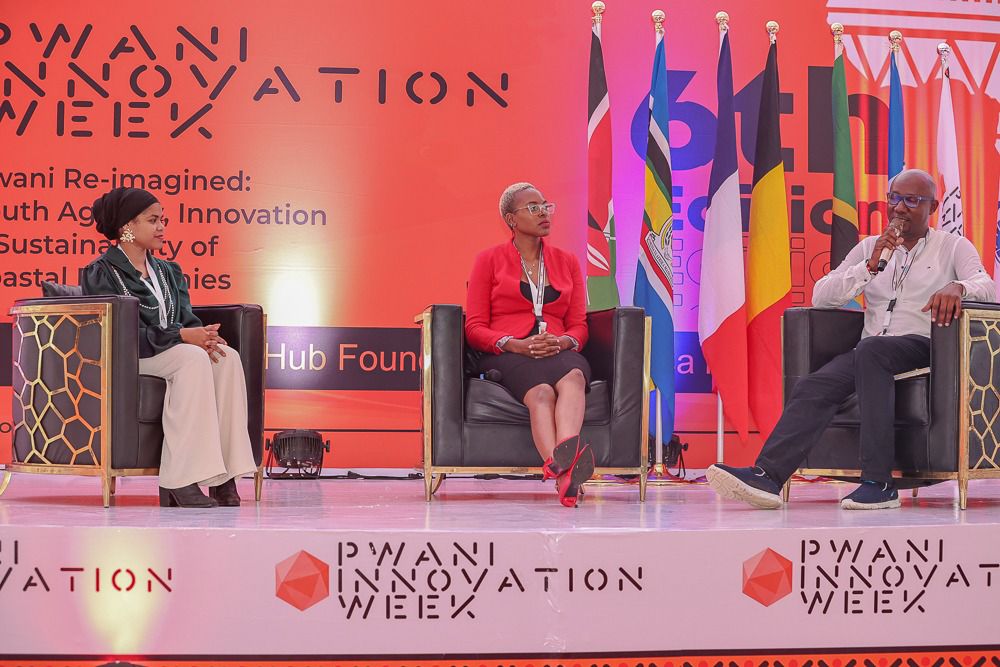
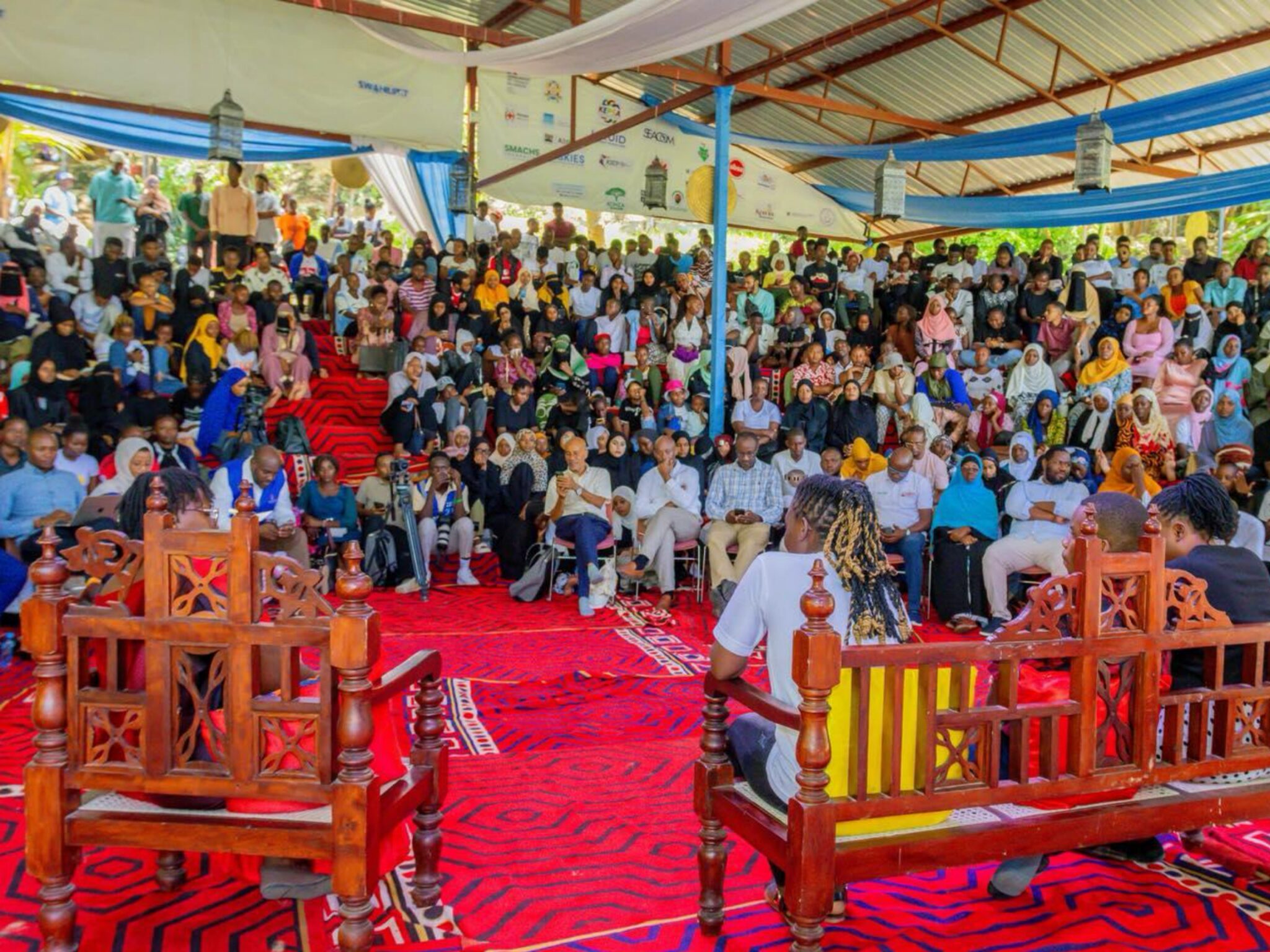
Shazmeen on the extreme left, during Pwani Innovation Week
Community-rooted models scale when they center trust and youth wellbeing
Swahilipot’s Youth Hub Network is an interconnected ecosystem of youth-led spaces known as ‘hubs’ in Mombasa, Kilifi and Kwale counties, built with grassroots partners and expanding as young people connect, return, and bring others along.
Over time, the hubs have become more holistic, recognizing that skills alone aren’t enough. Young people also need support to overcome social and psychological barriers. They create safe spaces for this deeper work, including psychosocial support and mindset shifts. One of Swahilipot’s hubs, Samba Sports Youth Agenda, for example, is a community hub that integrates mental health support for young people recovering from substance use and social exclusion.
At the heart of this psychosocial support is ‘Case Management’, a 3-month guided journey focused on building self-awareness, developing direction, and mapping out the future. From shaping CVs to exploring career pathways, young people begin to form a clearer picture of their aspirations. This structured yet deeply personal approach has now reached over 10,000 young people across five cohorts, with the model continuing to scale.
When young people begin to see themselves differently, their choices, pathways, and outcomes begin to shift as well. A recent report, tracking over 4,000 young people supported by Swahilipot Hub, tells a powerful story. There’s been a 166% increase in formal employment, alongside an 85% rise in young people creating their own pathways through self-employment and incomes are nearly doubling. But just as important is what’s happening beneath the surface,more than half report improved wellbeing, and 68% are now saving regularly as part of their financial journeys.
“No matter who you are, or what idea you come with, we listen. Everything we do starts there, just listening to young people. We build from what they’re going through, what they need. The hub becomes a home, especially for those who felt like they didn’t have one,” says Shazmeen who currently works as a case manager and mentor at Swahilipot, walking alongside other young people on their own journeys.
Today, over 114 mentors and case managers like Shazmeen are part of a growing network, working across 55 hubs to support more than 36,000 young people.
Rajab Salim is one of them. After high school, Rajab’s family couldn’t afford to send him to university. He turned to poetry as both a form of self-expression and advocacy, sharing his work on social media. This is where his talent was first recognized. Rajab was then invited to perform at Swahilipot Hub Foundation, and from that moment, he never left. At Swahilipot, Rajab says he “found a home.” The team encouraged him to grow his craft, expand the reach of his poetry, and step onto the stage. Through participating in programs and receiving mentorship, his leadership journey began. Today, Rajab mentors and supports young people, encouraging them to build their own paths while helping them overcome social and psychological barriers. Hear Rajab tell his story in his own words below.
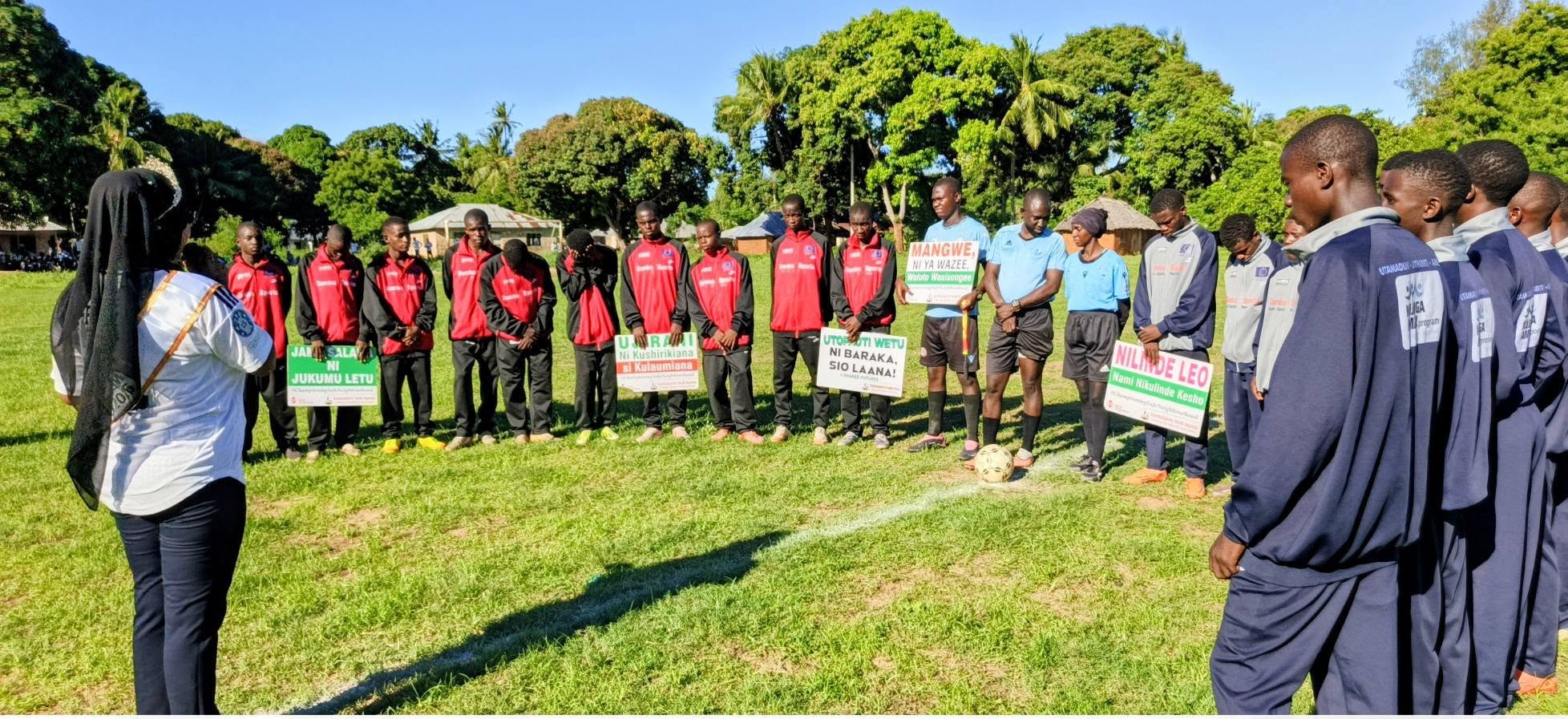
Samba Sports Youth Agenda during a Community Training
Young people do not need fixing, they need to be supported
Today, Shazmeen supports young people across multiple touchpoints and is also the founder of Shazz Mental Space, a space focused on mental well-being and reflection.“Swahilipot believed in me and my dreams, even at a time when my circumstances gave me no reason to. I knew what I wanted, and they saw it too. No matter where I go, Swahilipot will always be home,” adds Shazmeen with a smile.
As the Swahilipot model gains traction beyond Mombasa, expansion into Nairobi and Kitui is already underway, driven by strategic partnerships like with the National Council of Churches of Kenya (NCCK). What sits at the heart of Swahilipot’s work is a simple but powerful belief, young people do not need to be fixed. They need to be trusted, supported, and met where they are. And when that happens, they begin to define their own paths, regardless of their starting point, and do so within the communities they come from.