Insights
10.15.26
Global 
Credit: Joel S Photo LLC for Devex
Global
At UNGA, there often seems to be a theme of the moment. Two years ago, it was localization—an idea that continues to resonate deeply with our work in Brazil, Kenya, and the US. Last year, we came away energized by the collective appetite for partnership and collaboration, connecting initiatives, insights and funding across geographies and beyond. This year, the conversation seemed to move toward the natural next step: What does it take to move from collaborating with one another to actually acting collectively—and all in a moment dominated by the meteoric pace of AI?
Across conversations about education, learning, and the future young people will inherit, we kept returning to the importance of shared purpose. At a moment when AI is transforming how we live and learn, human connection and collective action feel more urgent than ever. Bringing people together and building relationships is something Imaginable Futures has intentionally focused on this year. But creating meaningful change requires us to move beyond our existing networks—perhaps even beyond our comfort zones—to ask what we are trying to accomplish together, who needs to help shape that purpose, and what different roles each of us can play in getting there.
Three ideas we’re carrying forward from UNGA 81:
It was nearly impossible to move through UNGA this year without AI somewhere in the conversation.
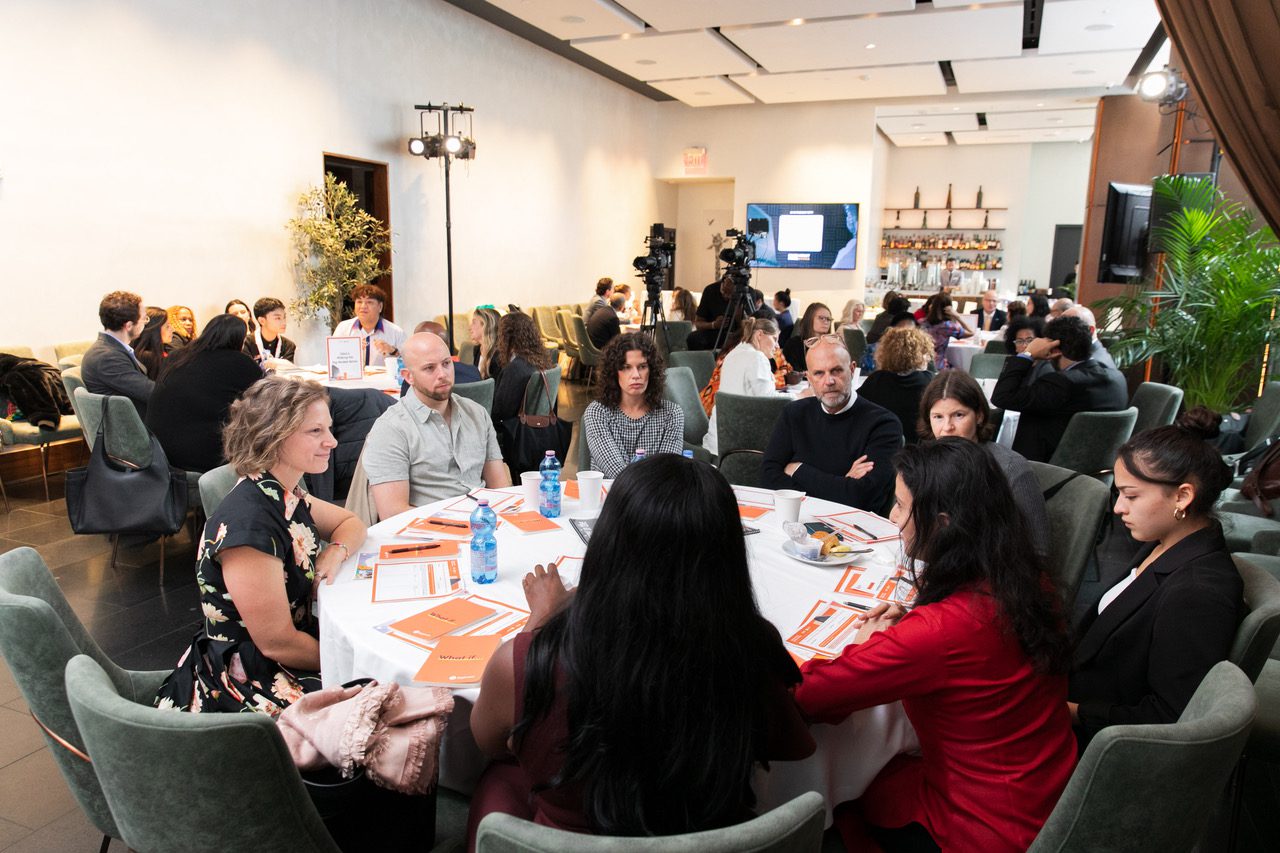
This was something we focused on at our Devex Impact House workshop on AI and learning, where we brought 50 leaders who represented philanthropy, education, technology, civil society, government and the youth to explore questions ranging from AI sovereignty and democratizing experimentation to what entirely new school models might look like. Again and again, the conversation returned to the human capabilities we want learning to nurture: agency, judgment, curiosity, relationships, creativity, and the ability to keep learning. None of this has changed with AI but just makes it more urgent that we deliver on it.
Across the sector, organizations are approaching AI from very different starting points. Some funders have made significant pivots to incorporate AI into their education strategies, while others are just beginning to explore its implications for their work. The pace and approaches also vary widely—from rapid experimentation to calls for going slow with great caution. But wherever we are on that spectrum, one thing is clear: if we care about young people thriving, we cannot ignore the role AI is already playing in their learning and will play in their futures.
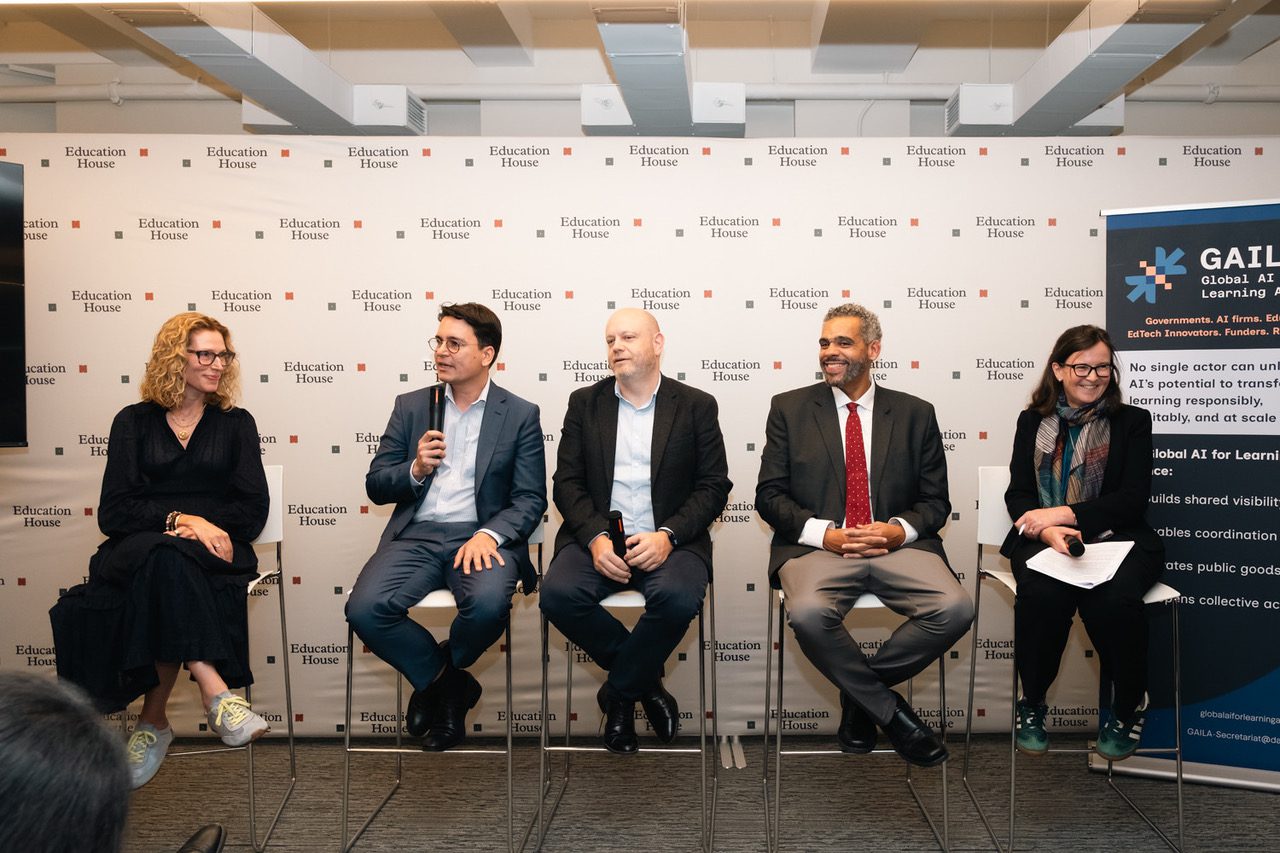
For us, this reinforces the importance of learning through action. While we don’t expect to have all the answers, we believe we need to start learning alongside others. Following the release of our recent report, Learning in the Age of AI, Imaginable Futures is beginning to make investments to test and learn—including joining as an early funder of the Global AI for Learning Alliance (GAILA), which brings together governments, AI firms, funders, and education leaders to explore how AI can improve learning safely, effectively, and equitably, particularly in low- and middle-income countries. Our focus is on human relationships, the purpose of learning, voices too often excluded, and the infrastructure needed to connect education leaders in this pivotal moment.
The latest PISA 2025 results offer yet another wake-up call about the state of learning around the world. Across OECD countries, 15-year-olds recorded the lowest average performance ever observed in reading and mathematics. Reading scores alone have fallen sharply over the past decade—equivalent to approximately a year and a half of learning. This raises particular concerns at a time when the ability to evaluate information, think critically, and make connections across sources is becoming even more important in an AI-influenced world.
These findings reinforce both the urgency of improving learning outcomes and the importance of the people and relationships at the heart of education. Teachers, engaged parents, and strong leaders remain essential to helping young people learn and thrive.
Yet at UNGA, where the global agenda is crowded with urgent challenges—from climate and conflict to health, democracy, and technology—education can struggle to get the attention it deserves. At a time of shrinking aid and when we are already off track on Sustainable Development Goal 4, we cannot afford to let learning become a side issue. Education isn’t separate from these other challenges. It is a critical thread running through them.
That is one reason Imaginable Futures was proud to share at UNGA that we were the first institutional funder of Education House. We believe the global education community needs more spaces to come together across organizations, geographies, and perspectives—to share ideas, strengthen relationships, and build the collective will to act. Especially now, philanthropy and civil society have an important role to play in bringing together people and institutions that might not otherwise connect—and helping turn shared ambitions into collective action.
We left Education House energized by what is possible when people come together around a shared commitment to learning. Our hope is to help grow this space so education remains central to the global conversation, and more people and institutions can come alongside the work. Next stop: Davos 2027.
One of the most encouraging things we saw at UNGA was young people participating in so many conversations. Their presence made the discussions richer and more grounded. While we adults spent much of the week talking about AI, systems transformation, institutions, and the future, young people kept reminding us about what matters most.
When asked what qualities they wanted in the next UN Secretary-General, young people spoke of empathy and someone who understands pain. And in work shared by Salzburg Global and Teach For All, when asked what they wanted more of from education, young people pointed toward something strikingly simple: more connection to nature.
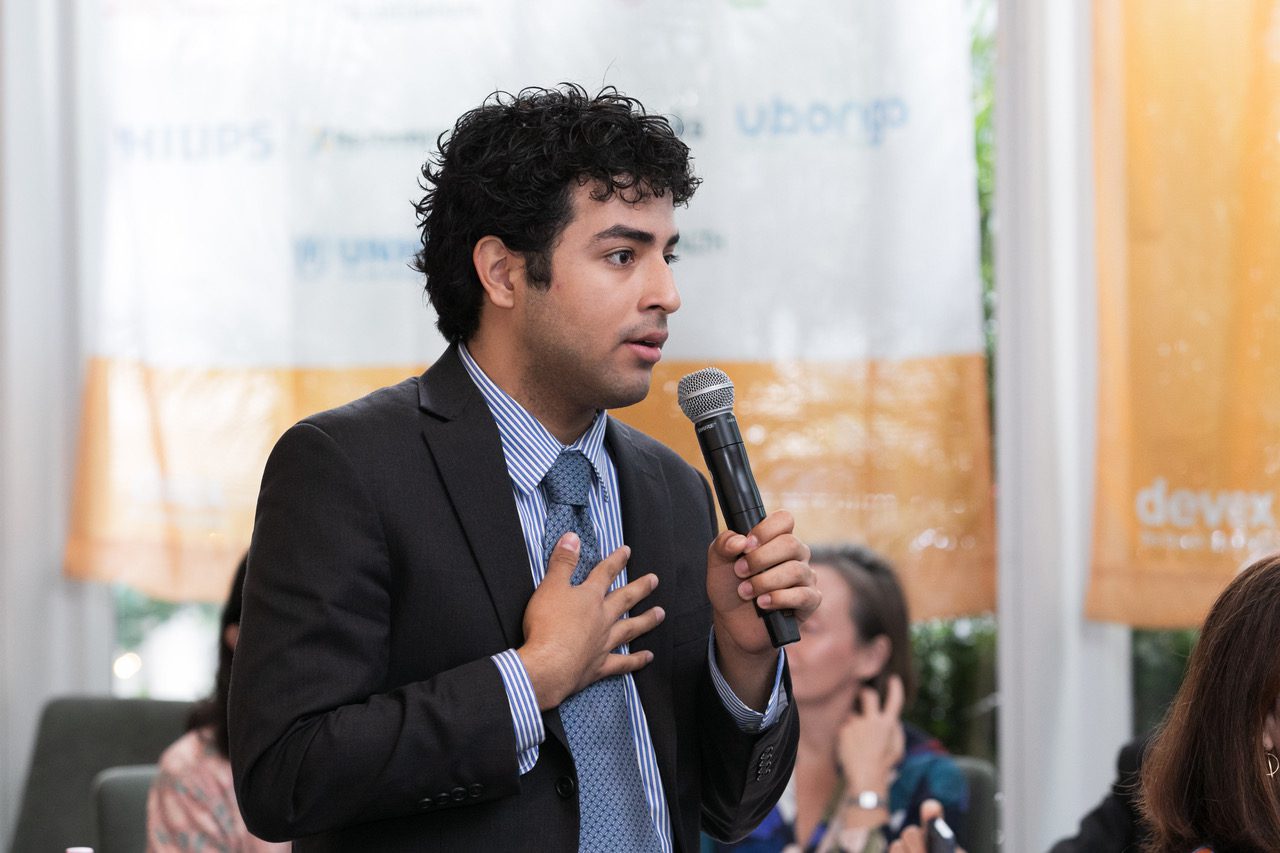
At our own workshop, Jhair from Peru shared how AI helped him learn English, opening a pathway to university that would have been unimaginable otherwise. Yet he also challenged us to treat AI as a precious resource—like diamonds, petroleum, food, or water—and find ways to use it with as little waste as possible rather than taking it for granted.
These young people reminded us of the importance of empathy, relationships, nature, and agency. If we are serious about building education systems around what young people need to thrive, we must do more than invite them into the room. How can we become better at listening to them, trusting them, and giving them real agency in shaping what comes next?
Collective action asks more of us. It requires shared purpose, shared ownership, trust, and a willingness to let the people most affected help define both where we are going and how we get there.
The challenges facing education are too complex for any one organization or sector to address alone. Governments, educators, funders, communities, technologists, civil society, parents, and young people each bring different perspectives and strengths. Our opportunity is to connect those strengths around a shared vision and turn them into meaningful action.
The challenge isn’t simply to imagine the future of learning. It’s to decide, together, what we want that future to be—and build the collective will to create it.