
Kenya
We support local leaders, organizations, researchers, and youth in designing solutions rooted in their lived realities that expand pathways for young people to learn, earn, and lead. In 2025, we continued to champion locally-led solutions, including our work to elevate African-led education research while supporting youth livelihoods through community-driven approaches.
Catalyzing a New Research Ecosystem Through Collaborative Philanthropy
Africa is home to nearly 20% of the world’s population. Yet African scholars produce less than 3% of global education research outputs, with more than 80% of locally led studies chronically underfunded. This gap has real consequences: Education policies and reforms often miss the mark, disconnected from local realities and the needs of young people navigating education systems daily.
Partners like Usawa Agenda, Assessment of Life Skills and Values (ALiVE), and Education Sub-Saharan Africa (ESSA) are working to shift this landscape by generating evidence for marginalized learners, strengthening the curriculum, and convening stakeholders to shape the future of education research. Yet their efforts represent only a fraction of what’s needed, underscoring both the promise of African-led research and the urgent need for more institutions, funders, and policymakers to invest in locally grounded knowledge that can transform learning outcomes at scale.
Recognizing this urgency, we joined Echidna Giving, the Bill & Melinda Gates Foundation, and Porticus to establish the Africa Education Research Funding Consortium in 2021. The Consortium has since grown, collectively mobilizing to support and convene locally-led research. This year, even more gatherings brought together diverse voices across the research ecosystem, many connecting for the first time, to chart new directions. What makes these moments different is the real buy-in across stakeholder groups, creating unprecedented alignment and the momentum needed to formally recognize and value locally led research.
This groundwork culminated in 2025 with the launch of Harnessing Education Research for Impact in Africa (HERI-Africa) — a first-of-its-kind initiative uniting governments, philanthropy, researchers, communities, and universities to reimagine how education research is led, funded, and applied.

Looking ahead, HERI aims to increase African-led education research from 3% to 50% of global output by 2050. This expansive collaborative model — uniting funders, governments, researchers, and communities — is building the sustainable knowledge ecosystem that will enable the continent to further shape its own education future and unlock opportunity for millions of young people.
Leveraging Community Power and
Local Government Partnerships to
Support Youth Livelihoods
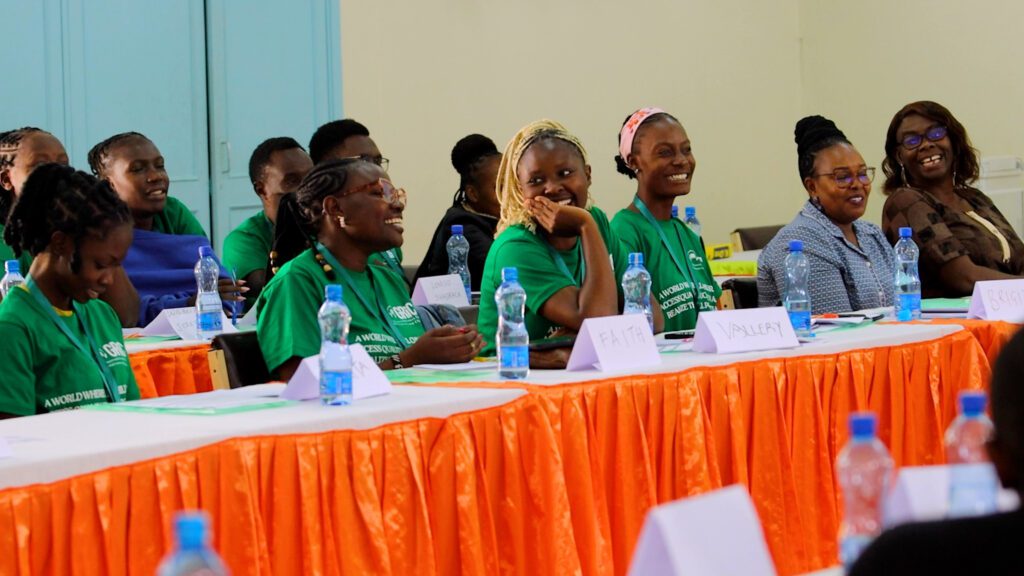
In both urban and rural settings, the power of collaboration in supporting youth livelihoods is undeniable. This year, we watched our local partners work hand in hand with country governments to equip students with the skills they need to thrive in the professional world.
Our partner Grassroots Nest for Innovation and Change (GRIC) worked with country governments to embed a Teaching at the Right Level (TaRL) approach in schools, which meets students at their actual learning level rather than their age or grade. Through targeted remediation, teacher training, and family engagement, GRIC strengthened literacy for 14,500 children in Kenya’s Maasai community. Results were striking: The share of learners struggling with basic reading fell from 36% to 12% for boys and from 38% to 19% for girls between January and June 2025. These foundational gains boosted comprehension, fluency, and confidence, helping learners stay in school.
In Mombasa, our partner Swahilipot Hub worked with country governments to mobilize philanthropic support for youth-led initiatives. Their efforts helped shape county policy and budgets, embedding youth employment priorities — such as technology and entrepreneurship training — within the Mombasa County Integrated Development Plan. This initiative stands as a powerful example of systems change led by local youth and partners, reshaping how communities invest in opportunity.
Building Momentum:
Stories of Progress
Firelight Foundation
Firelight Foundation partnered with community-based organizations across Makueni, Kajiado, and Machakos counties to empower young people to tackle unemployment, substance abuse, and climate challenges with locally led solutions. Organizations like Kitise Rural Development are addressing unemployment with mentorship and capacity building, while Jumuisha Initiative equips youth with climate-smart agriculture skills. These efforts built youth resilience, belonging, and leadership. Additionally, youth advocacy supported by Firelight’s partners resulted in a 400% funding increase for youth programs in Makueni, demonstrating how community-driven investments can drive sustainable, youth-led change.
400%
Funding increase for youth programs in Makueni

Shujaaz
Shujaaz partnered with MTV’s Staying Alive Foundation to launch Surround Sound Kenya, a five-year mass media program challenging the harmful norms that sustain gender inequality. By combining Shujaaz’s local networks with award-winning storytelling, the program engages up to 70% of Kenyans ages 15-24, influencing attitudes and social expectations around gender, relationships, education, and work. This year, Surround Sound released Meet “Gen Free,” distilling nationwide youth research into practical insights that can inform mass-media strategies, policies, and programs aimed at advancing gender equality for Kenya’s next generation.
Educate!
Educate! deepened its partnership with the Government of Tanzania and the Tanzania Institute of Education to integrate a brand-new business studies curriculum into the national education system. The subject — now mandatory for all lower secondary students — marks a major milestone in embedding practical, skills-based learning in Tanzania’s schools. Once fully implemented, it will equip over three million students across the country with the entrepreneurial and employability skills needed to thrive in the 21st-century economy.
3M+
Tanzanian students to gain skills to support their career paths