
Impact Redefined
Our learnings from 2025
Welcome
Dear friends,
What does it mean to truly show up as partners? Across a year marked by turmoil and rapid change, we’ve been consistently reminded that lasting change takes root through deep partnership, intentional design, and shared purpose. Progress happens not through isolated breakthroughs, but through steadily showing up together. These four themes highlight how deeper collaboration is fueling our impact:
1. Learning together to grow what works.
Big ideas often start small. When we invest alongside partners to test, learn, and adapt, early proof points become sparks that ignite broader transformation. For example, we were an early funder in the California Alliance for Student Parent Success, the first formal statewide cross-sector advocacy coalition focused on advancing policies to support parenting students. Its success, including the passage and implementation of the landmark GAINS Act, inspired other states in 2025, like New Mexico and Virginia, to formalize advocacy efforts dedicated to student parent success.
2. Shifting power to drive change.
True partnership means listening deeply and letting those closest to the work lead. For example, in Kenya, we have been proud to support HERI-Africa — a new pan-African initiative co-created with governments, researchers, communities, and universities that ensures education policy and practice are driven by African evidence and priorities. For us, this partnership meant intentional collaboration to channel resources where needed while learning from the wisdom of the local leaders shaping change.
3. Nurturing communities to sustain progress.
Amid shifting political and funding landscapes, our partners remind us that staying rooted in learners’ and families’ experiences is essential. Strategic investment, aligned with advocacy, helps protect gains and build systems that endure. We saw this in action in Brazil, where we helped support a coalition of organizations and experts that united to shape equity-focused amendments to the National Education Plan, a testament to what’s possible when educators, advocates, and funders collaborate.
4. Connecting across boundaries to expand what’s possible.
Education touches everything — from how AI is redefining the skills future learners need, to how climate change and culture shape education policy. Working in partnership with government, civil society, culture, and technology allows us to see new connections, surface necessary pivots, and understand what’s needed for learners to thrive in our rapidly evolving world. Collaboration at these intersections expands what’s possible while equipping the next generation to lead tomorrow.
Vision
We imagine a future where learning sparks opportunity and thriving belongs to everyone.
Mission
We support organizations and their collaborative efforts to build and strengthen equity in education, enabling all learners to thrive.
Each story in this report reminds us that progress comes when we show up with humility, share our learnings and experiences, invest in and support collaboration, and remain patient and steadfast in our values and approach. Inspired by our updated mission and vision, which we unveiled in 2025, we’re excited to continue our collaborations that strengthen a future where learning sparks possibility and thriving belongs to everyone.
Thank you for being part of this journey. The insights and impact ahead belong to all of us, pointing the way toward imagined futures becoming shared realities.
With deep appreciation,

Amy Klement
Managing Partner
Here’s Laila on what drew her to Imaginable Futures and what excites her most about the work:
“The mission aligns deeply with my own — working with local communities to shape education systems that are inclusive, practical, and rooted in dignity.”
“There’s an incredible generation of young Africans coming of age. If we can support them with dignified learning-to-earning pathways, we’ll unlock not just individual potential but regional prosperity.”
We are excited to bring on additional leaders in 2026 who will join Laila in helping to shape our work in enabling all learners to thrive.
Welcoming New Leaders
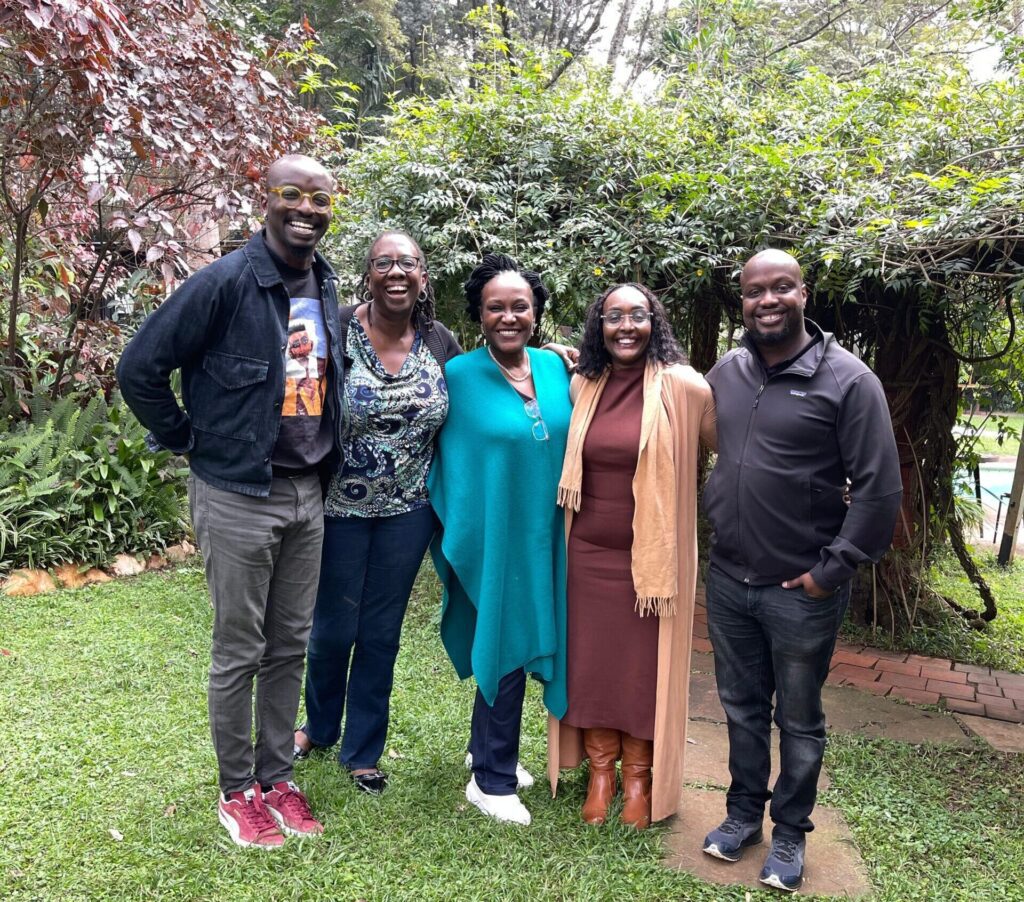
In 2025, Dr. Laila Macharia joined Imaginable Futures as our new VP, Head of Kenya Programs. With more than two decades of experience building ecosystems that expand opportunities for Africa’s youth, Laila brings deep expertise, fresh energy, and a bold vision for what’s possible.
Global Insights
Reimagining How We Measure Systems Change
Systems change rarely follows a straight line. It unfolds through relationships and small shifts that accumulate over time, often long before results can be tallied. To understand that kind of change we need more than metrics; we need reflection, dialogue, and learning alongside those leading the work.
Our Systems & Impact Framework guides us through that process. Internally, it holds us accountable to our values and to the partners and communities we serve, ensuring we stay grounded and adaptable. Externally, it helps us see how we fit within broader systems — where change is taking root, where barriers persist, and how we may need to evolve.
Putting Our Framework Into Practice
In 2025, we pulled back the curtain on how we’re experimenting with measuring impact amid changing systems. The framework tracks progress across three levels of accountability: (1) feedback to us and accountability to our values, partners, and fields; (2) partner contributions to their constituents and the field; and (3) field- and system-level change.
To deepen learning, we introduced the Systems & Impact Conversation Guide, which starts with one question: What changes are you observing in the system? This invites partners to share what they’re seeing and navigating, creating space to learn where conditions for change are taking root and how we can best nurture them.
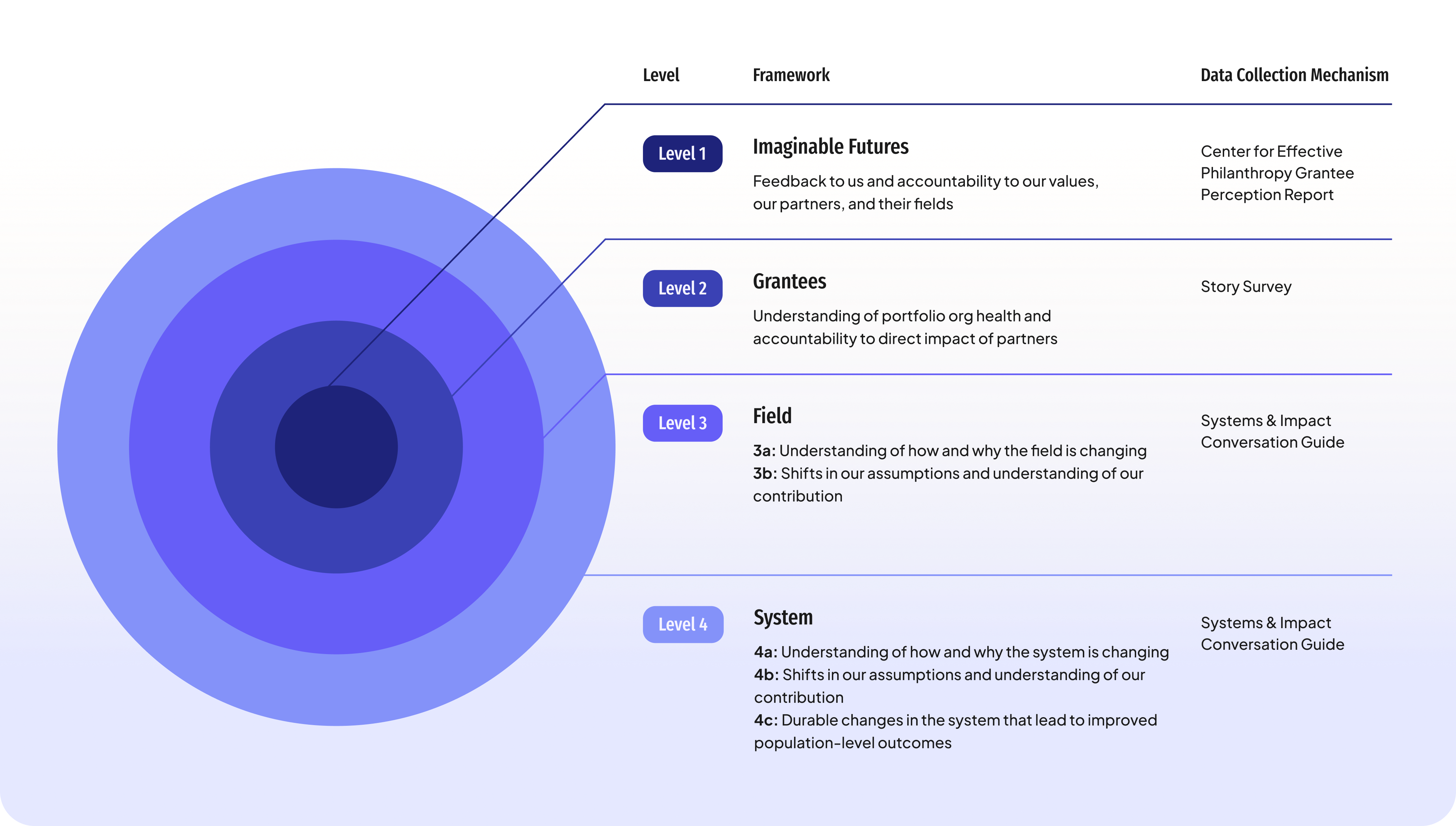
Across Brazil, Kenya, and the United States, we hosted more than 60 conversations with partners and gathered over 85 responses through a story survey that enabled partners to share their impact in their own words. These touchpoints surfaced powerful themes: in the U.S., how state and local ecosystems step in when federal momentum fades; in Brazil, how national commitments take root through networks of grassroots champions; and in Kenya, how embedding local context makes gender and education reforms endure.
We also launched a feedback survey through the Center for Effective Philanthropy, which we will repeat every two to three years to understand what’s working well and where we can strengthen our approach.
Learning Our Way Forward
This work reinforced that measurement can be a tool for learning and trust-building, not just reporting. The conversations sparked strategic thinking and informed how we show up in the systems we aim to support. As we refine our approach, we’re guided by the conviction that lasting progress requires trust, shared learning, and staying present as change unfolds.
Learn More Through Our Systems & Impact Framework Series:
“When you create space for intimate conversations, you get insights that you just simply wouldn’t get from traditional metrics. Traditional measurement often asks people to fit their incredibly complex reality into small, tight, predetermined categories. But system change doesn’t work that way.”
Erin Simmons
Chief Operating Officer, Imaginable Futures
Impact In Motion
Communities, partners, and diverse coalitions are propelling breakthroughs in policy, investment, and practice across our focus regions. These stories capture how we’re joining them to shape solutions that reflect local needs, strengthen education systems, and open doors for young people and families to thrive and shape their own futures.

Brazil
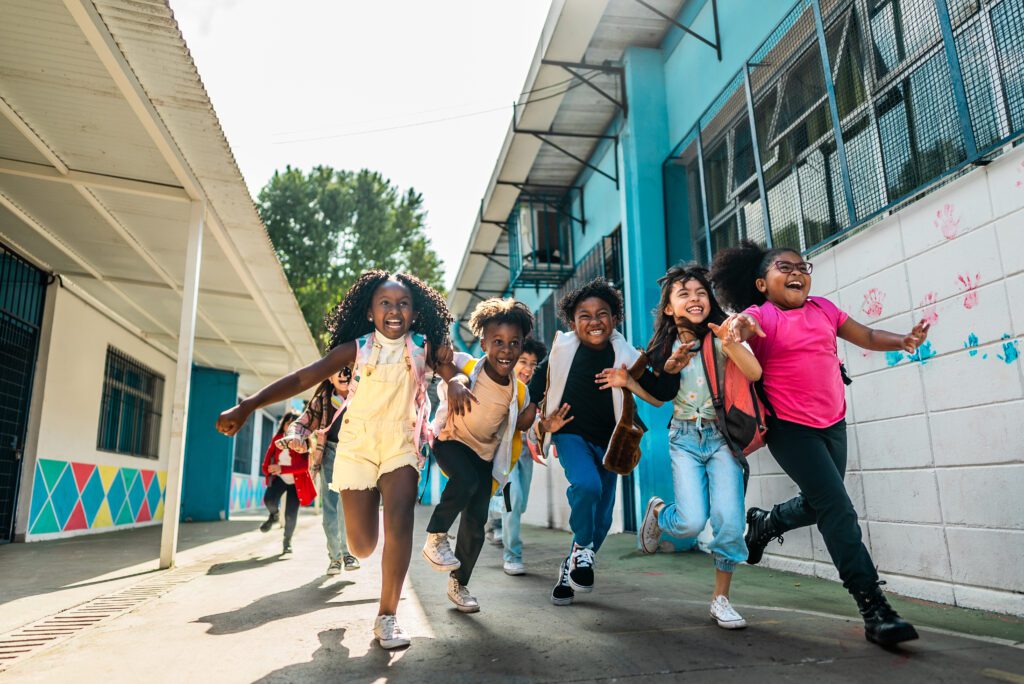
We partner with initiatives to transform education systems so every learner — especially Black, Indigenous, and Quilombola children and youth — has access to quality education and opportunity. This year, we helped ensure that perspectives from these communities shaped education policy and strengthened community organizations and leaders advancing practices that honor diverse cultures.

Kenya
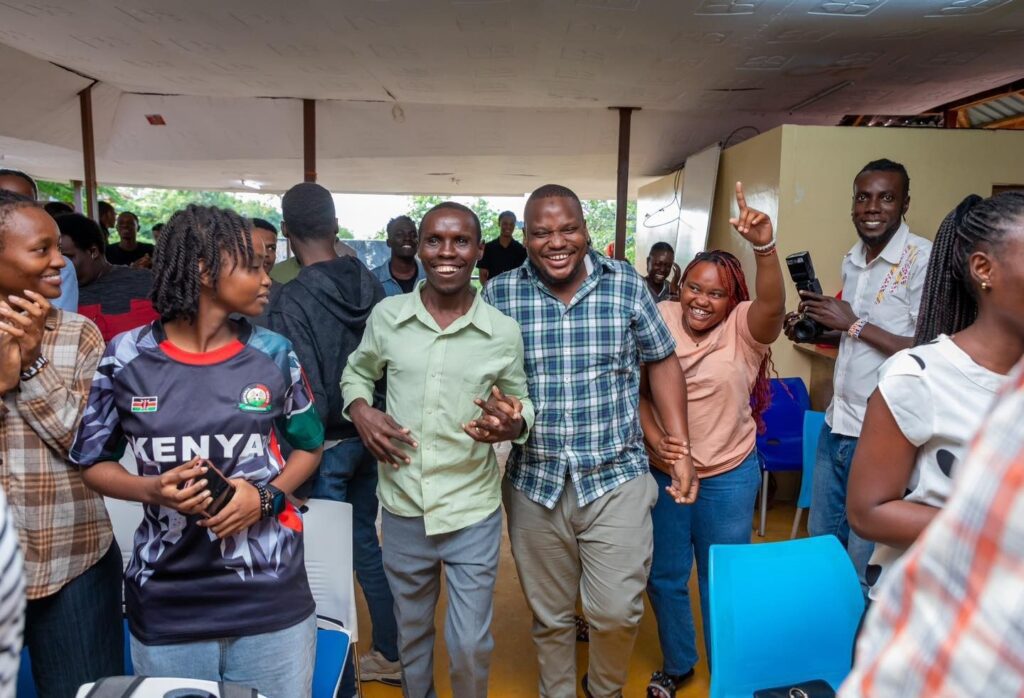
We support local leaders, organizations, researchers, and youth in designing solutions rooted in their lived realities that expand pathways for young people to learn, earn, and lead. In 2025, we continued to champion locally-led solutions, including our work to elevate African-led education research while supporting youth livelihoods through community-driven approaches.

United States
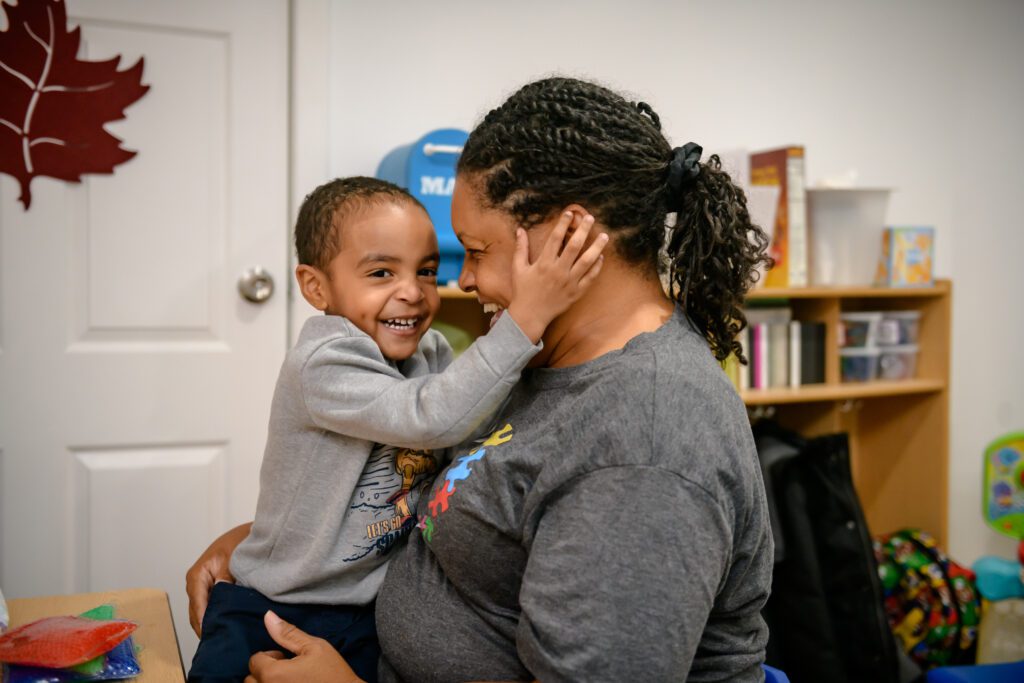
We fund solutions that ensure that young children and their parents get the education they need for families to thrive, renewing the promise of our care and education systems. This year, we saw the power of collaboration and narrative change in achieving tangible wins for families, from expanding child care access on college campuses to deepening public awareness through sharing more authentic stories of care.
“Those of us in philanthropy have a very important role and that is how we make sure our funding is catalytic and feeding into systems that exist and are helping to drive reforms.”
Laila Macharia
VP, Head of Kenya Programs, Imaginable Futures
Community in Action
In 2025, we showed up across the globe, working alongside partners to help all learners thrive. We brought together longtime collaborators and unlikely allies to share insights, spark conversation, and build connections. We supported work that created space for communities to be heard on their own terms and questioned old assumptions. And we championed evidence that disrupts patterns of inequity and points toward solutions. These moments and milestones reflect our belief that lasting change happens through partnership, trust, and a commitment to centering those closest to the work.
Weaving Connections
Singapore
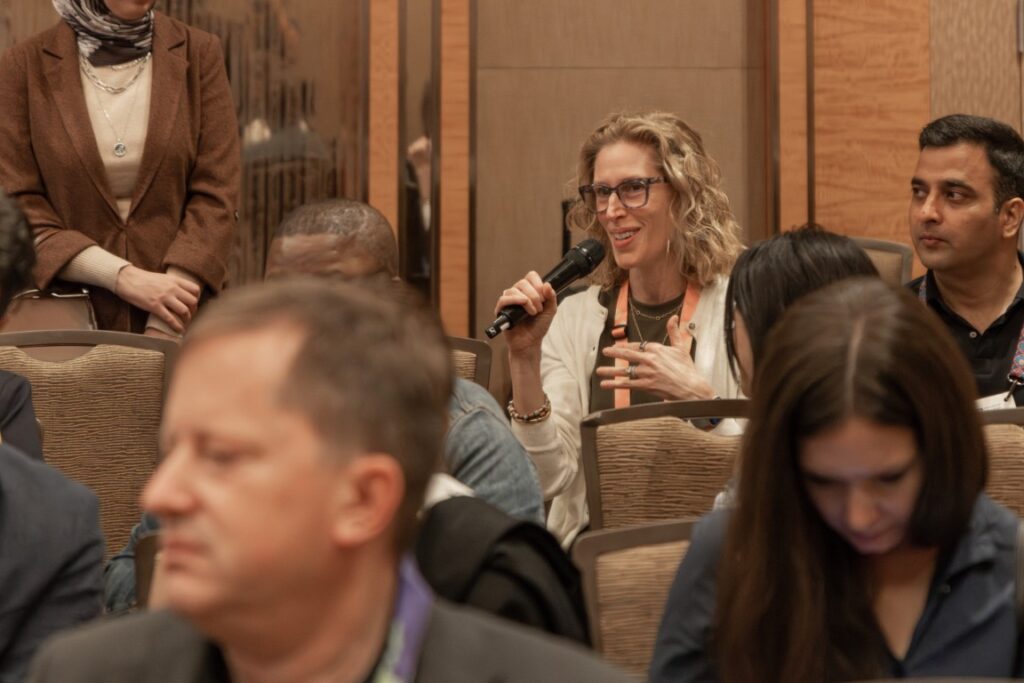
IEFG Together (April)
Strengthening Philanthropic Collaborations in Education
Managing Partner Amy Klement and Lead Program Manager Sam Mugacha attended International Education Funders Group’s “Together,” a convening of international education funders committed to exploring the future of teaching and the pivotal role philanthropy plays in shaping it. Funders reflected on what has and hasn’t worked in supporting teachers, shared insights across contexts, and explored pathways for collaboration. Discussions centered on how philanthropy can leverage its ability to innovate, take risks, and mobilize resources to drive lasting change in learning.
Fortaleza, Brazil
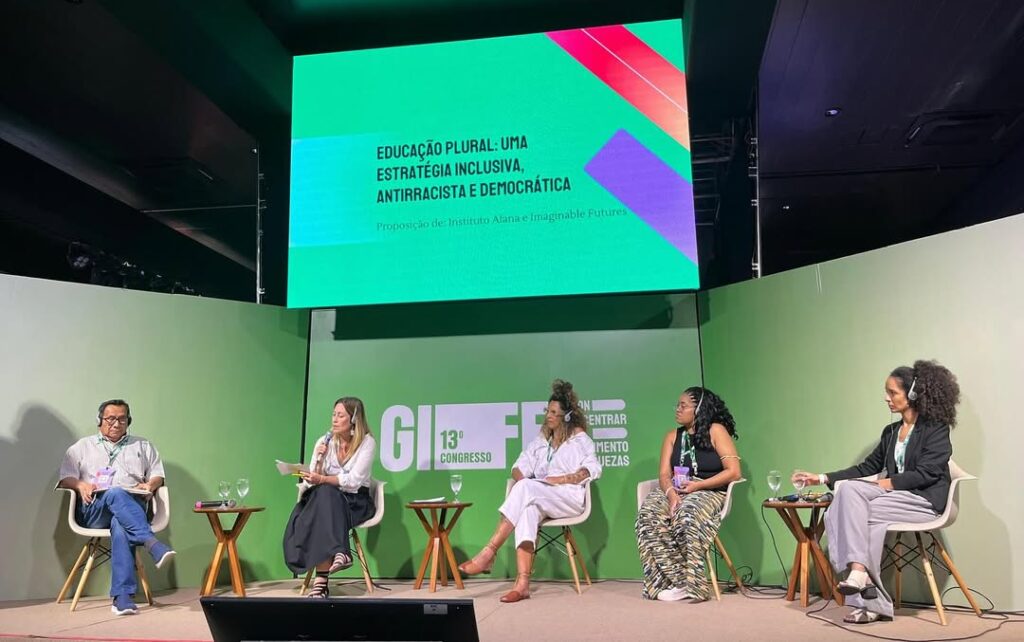
GIFE Congress (May)
Advancing Representation in Brazilian Education
During GIFE Congress 2025, Imaginable Futures and Instituto Alana convened powerful voices committed to building education that reflects Brazil’s diversity and fosters belonging: Flávia Doria (Instituto Alana), Gersem Baniwa (FNEEI), Luciana Viegas (VNDI Brasil), Monique Rocco (Maria Farinha Filmes), and Natália Neris (Casa Sueli Carneiro). The conversation emphasized a representative education system is not a distant aspiration but an urgent need, requiring recognition of the contributions of Black movements, valuing ancestral knowledge, and reclaiming the power to shape narratives that define our collective future.
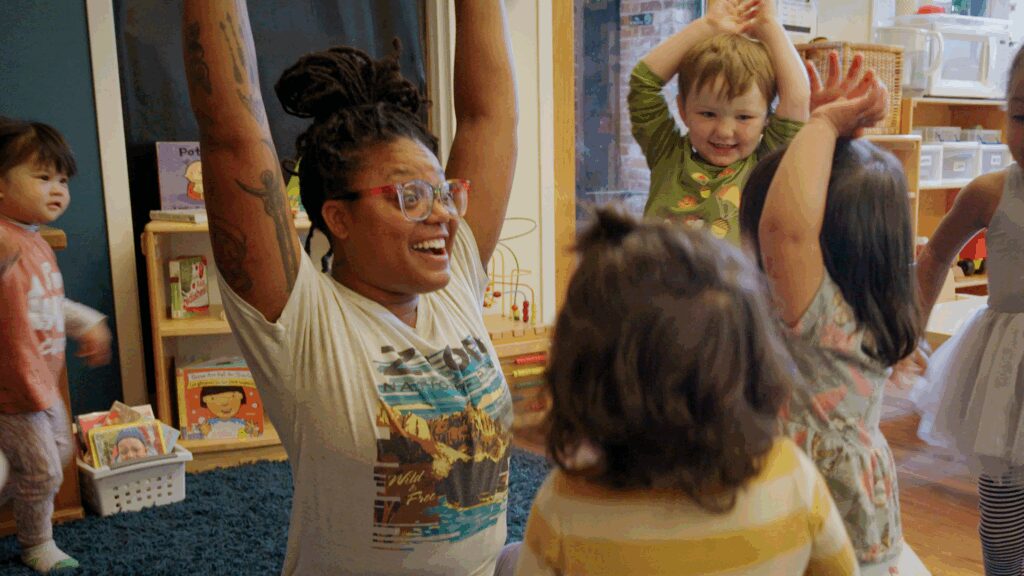
Memphis, USGFE Annual Conference (October)
Harnessing Storytelling to Inspire Educational Change
At the Grantmakers for Education Conference (GFE) in Memphis, US Strategic Communications Lead Jenn Clark joined an incredible group of storytellers, advocates, and filmmakers to explore how film can drive change in education. Using MAKE A CIRCLE — a documentary “love letter to early educators” — as a case study, early education advocate Laterria Lassiter and filmmaker Jen Bradwell discussed how film shapes understanding, sparks dialogue, and fuels policy change. Screened over 100 times in nearly every state and nationally distributed on PBS, the documentary demonstrates how storytelling and advocacy accelerate meaningful transformation in education.
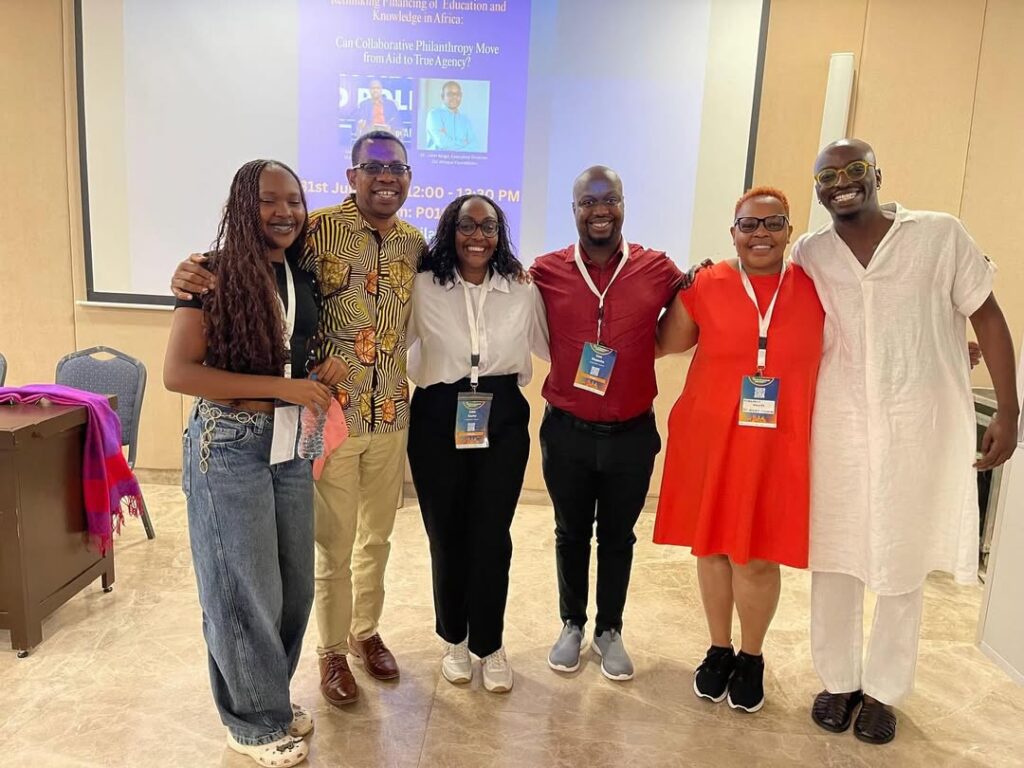
Cairo, Egypt6th African Philanthropy Conference (June)
Reimagining Education Across Africa through Collaboration
At the 6th African Philanthropy Conference in Cairo, we explored what it takes to fuel genuine collaboration in reimagining education across the continent. John Mugo, Executive Director of Zizi Afrique Foundation, shared powerful lessons from leading the Assessment of Life Skills and Values (ALiVE) initiative across East Africa, underscoring that systems change in education must be locally led and grounded in African realities. Lead Program Manager Sam Mugacha reinforced this vision, reflecting on the trust, patience, sustained resourcing, and local leadership that collaborative philanthropy demands.
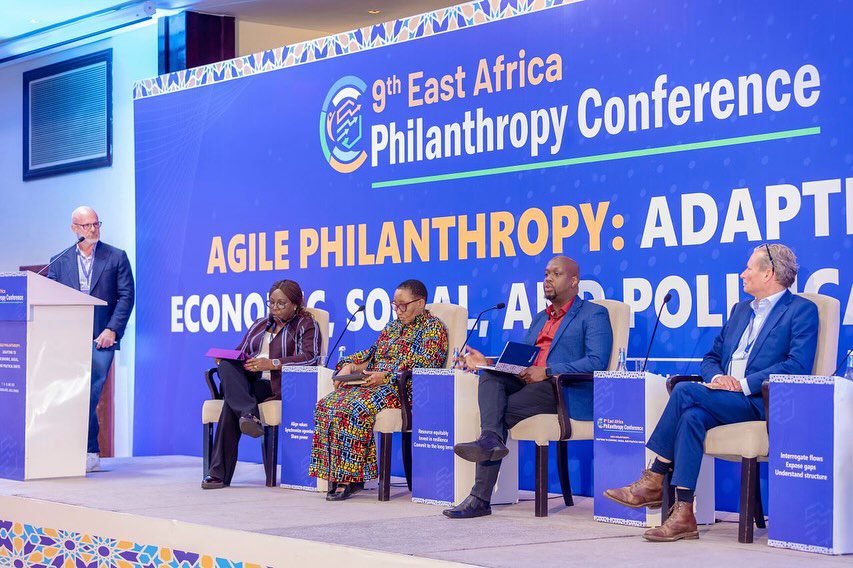
Kigali, Rwanda9th East Africa Philanthropy Conference (June)
Financing Systems Change in an Uncertain World
Lead Program Manager Sam Mugacha joined an incredible panel to discuss financing systems change at this year’s East Africa Philanthropy Conference. Alongside partners from Rockefeller Philanthropy Advisors, The Africa Philanthropy Network, and Healthy Brains Global Initiative (HBGI), we unpacked how philanthropy can reshape funding flows with agility to meet the uncertainties of today and the complexities of systems change.
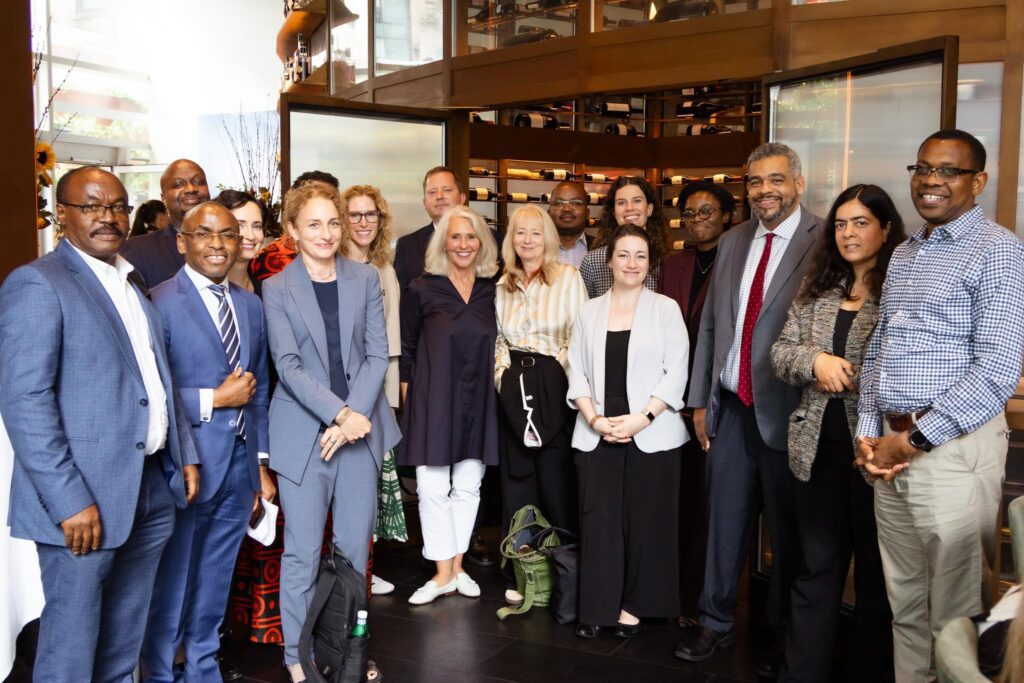
New York, USUNGA 80 (September)
Championing African-Led Research to Advance Education Equity
African scholars lead fewer than 3% of global education research, directly impacting efforts to tailor learning systems for the continent’s needs. During the 80th session of the United Nations General Assembly, Imaginable Futures, Echidna Giving, and Devex convened stakeholders, experts, and funders to explore philanthropy’s role in changing this reality. Throughout the gathering, one theme emerged: Investing in locally led African education research doesn’t just shape solutions for Africa; it generates insights that can drive progress worldwide, offering valuable perspectives that benefit global education systems.
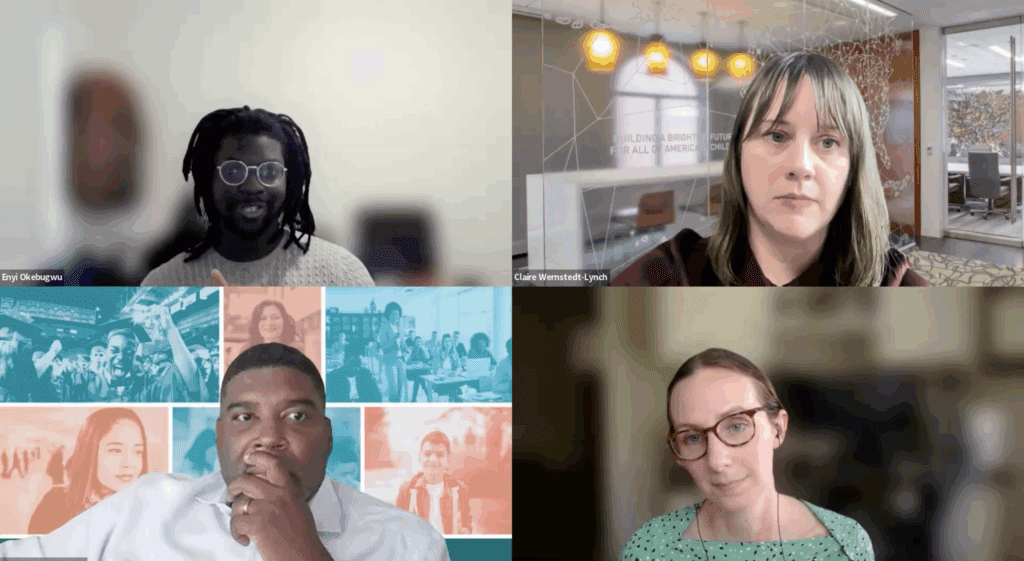
Virtual, USAsset Funders Network (May)
Investing in Student Parents to Catalyze Intergenerational Economic Mobility
At an Asset Funders Network webinar, Senior Program Manager Enyi Okebugwu examined how investing in student parent success transforms lives while generating strong economic returns for families. He was joined by Becca Bice of United Way for Greater Austin and Christopher J. Nellum of EdTrust-West in a conversation moderated by Claire Wernstedt-Lynch of The Annie E. Casey Foundation. The discussion highlighted compelling evidence: Single mothers who complete a bachelor’s degree double their lifetime earnings compared with those with only a high school diploma, creating returns that pass from generation to generation.
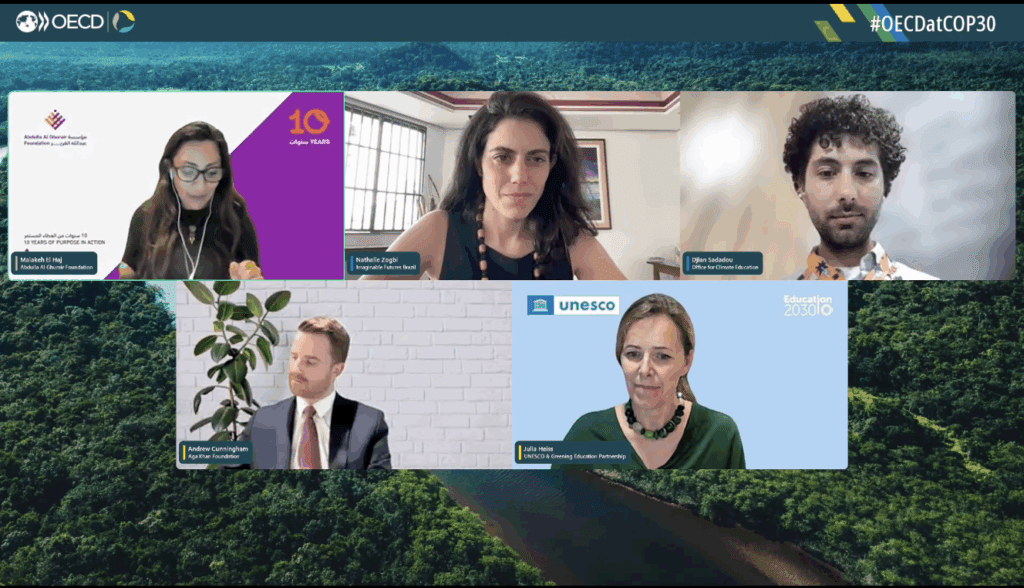
Virtual, BrazilOECD at COP30 (November)
Preparing Youth for a Climate-Ready Future
Lead Program Manager Nathalie Zogbi joined an OECD Network of Foundations Working for Development panel to discuss how philanthropy can play a meaningful role in ensuring education systems equip young people with climate-resilient job skills. Alongside representatives from the Abdulla Al Ghurair Foundation, Aga Khan Foundation, OECD, Office for Climate Education, and UNESCO, Nathalie emphasized the need for stronger data and clearer evidence to scale philanthropic engagement and align with international frameworks like UNESCO’s Greening Education Partnership.
Cultivating Understanding
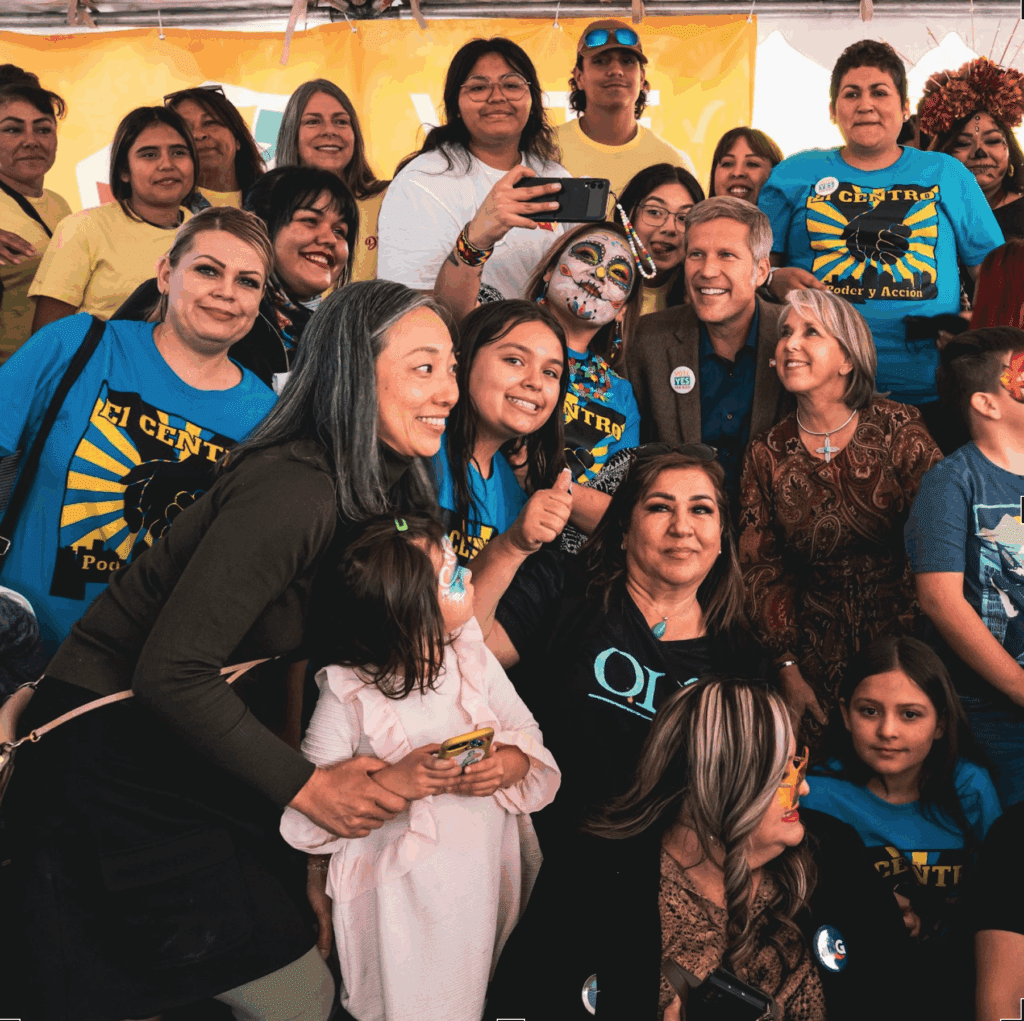
US
Breaking Cycles of Poverty Through Early Childhood Advocacy
New research shows 120,000 people have been lifted out of poverty since New Mexico enshrined free early childhood education in its state constitution in 2022. This milestone demonstrates how centering the voices of working families, early educators, and parents can break cycles of poverty and create models for education equity nationwide. Our partner OLÉ continued building on this momentum in 2025, mobilizing communities to advocate for policies that support working families. In November, New Mexico became the first state in the country to offer universal child care to all families.
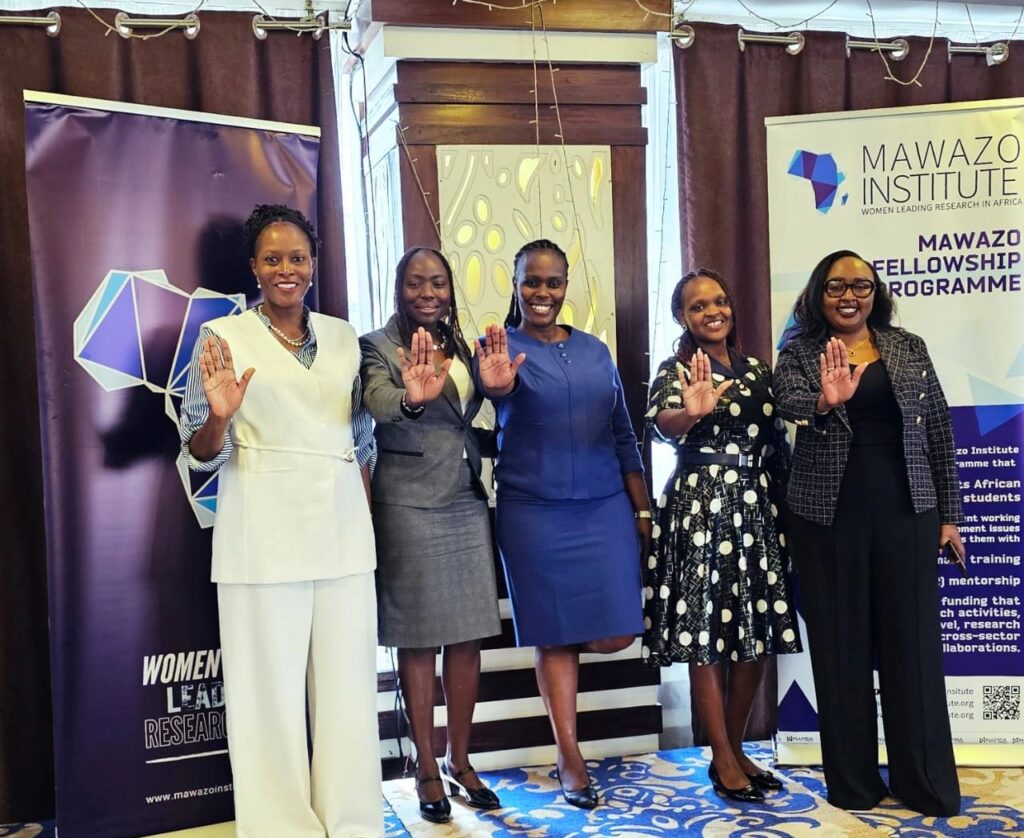
Kenya
Advancing Opportunities for Women Researchers
The Mawazo Institute published the 2025 Status of African Women in Research Report, which documents systemic barriers facing women PhD students across the continent and offers evidence-based solutions. The report reveals how funding gaps, caregiving responsibilities, and limited institutional support constrain African women researchers. Sparking vital conversations on mentorship, institutional support, and the systemic changes needed to advance women in African research, the report calls for greater investment and policy action to build a more equitable research ecosystem.
Brazil
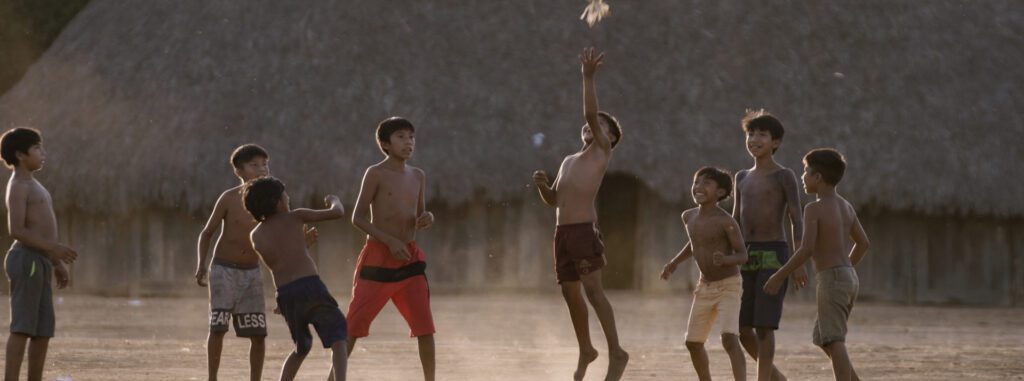
Honoring Indigenous Wisdom in Early Childhood Development
We supported Instituto Alana in producing “Do Colo da Terra,” a documentary that challenges dominant narratives about childhood by centering Indigenous perspectives and practices. The film follows children from the Baniwa, Khisetje, Guarani Kaiowá, and Guarani Ñandeva peoples, revealing how their childhoods unfold in harmony with the earth’s rhythms — rooted in territory, spirituality and play. It invites viewers to recognize and value the knowledge and traditions that are passed down through generations and remain alive in Indigenous childhoods today.
US
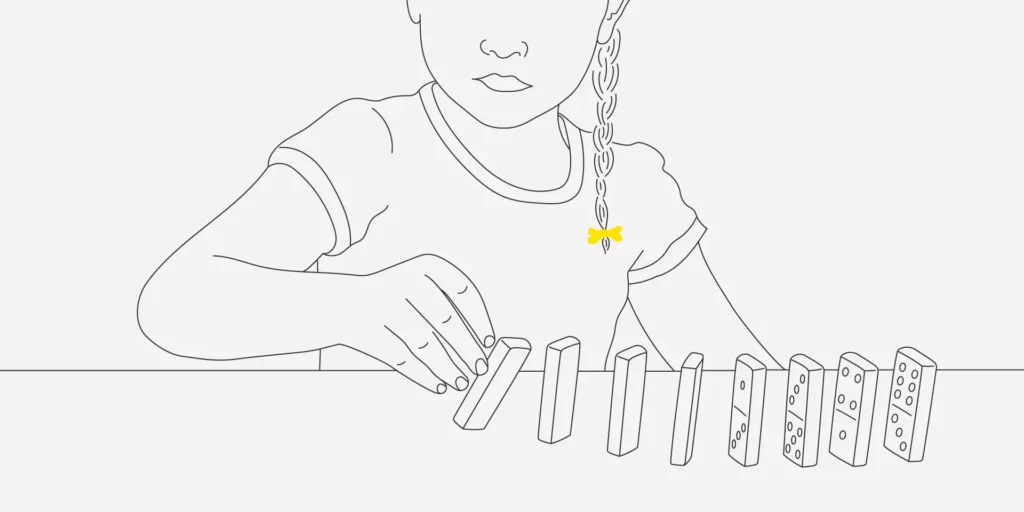
Tracking Critical Wellbeing Data to Inform Policy
In 2025, the RAPID Survey at Stanford’s Center on Early Childhood marked five years of tracking the overall well-being and economic situations of families with young children. The longitudinal data reveal a troubling pattern: More than two in five families now report difficulty meeting basic needs like food, housing, and utilities — one of the highest levels since tracking began at the height of the COVID pandemic. RAPID’s evidence provides policymakers with critical insights into how safety nets reduce hardship and create stable environments essential for young children’s healthy development.
Kenya
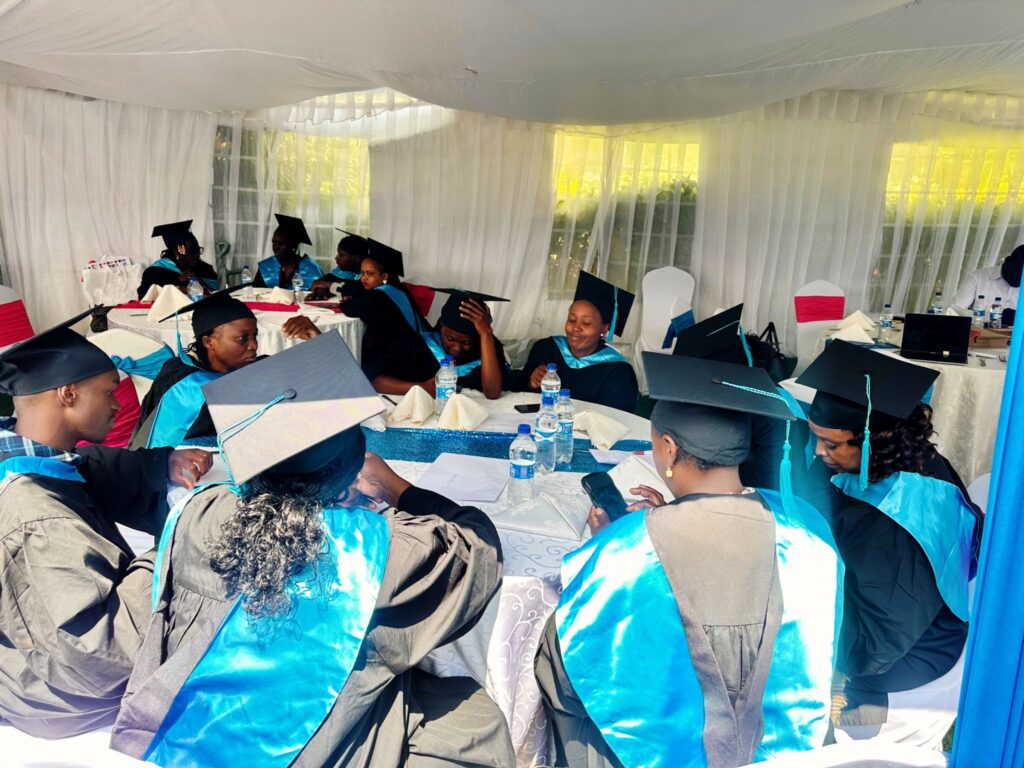
Bridging Research and Practice in Kenyan Education
We supported Dignitas in co-creating the Ustadi Toolkit with Kenya’s Ministry of Education, Teachers Service Commission, and Machakos County Government. Marking a major milestone in strengthening research-based practices in Kenya’s education system, the toolkit equips education officers who support school leaders with practical guidance, scenarios, and case studies to improve teaching practice in their schools. Informed by baseline research and tested across multiple counties, this collaborative effort bridges the gap between research and classroom practice to improve learning outcomes nationwide.
Brazil
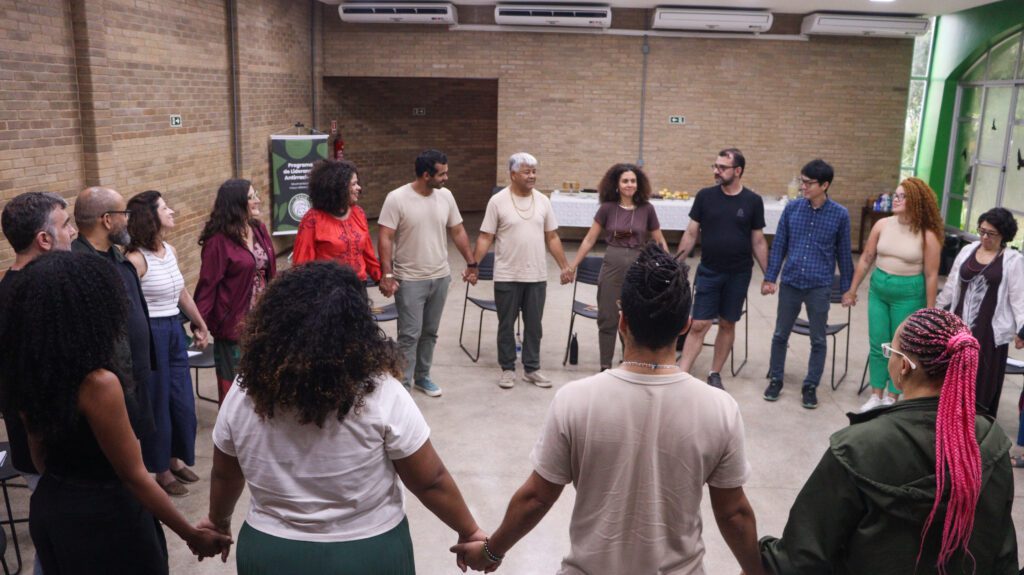
Cultivating Equity-Driven Leadership
Mahin Consultoria Antirracista convened the third cohort of its leadership program, supporting over 20 leaders in deepening their understanding of Brazil’s history and the systems of inequity it has shaped. The program created space for participants to reimagine how they and philanthropy can better support their organizations and communities through an equity lens. Alumni have already begun translating these insights into action, leading organizational strategy reviews, speaking at national convenings, and strengthening a growing network committed to transforming Brazil’s philanthropic and education sectors from within.

US
Reimagining Systems Design for Black Children to Thrive
National Black Child Development Institute launched the Afrofuturism & Systems Change Toolkit, a visionary framework for reimagining early childhood systems. Informed by two years of work, over 12 convenings, and hundreds of voices from Black communities across the country, the toolkit defines what thriving looks like for Black children in their first eight years. Its central message — “Black children are born full of wonder, joy, beauty, and genius and deserve a world that honors this truth” — can inspire new ideas on transforming early childhood systems to work for all learners nationwide.
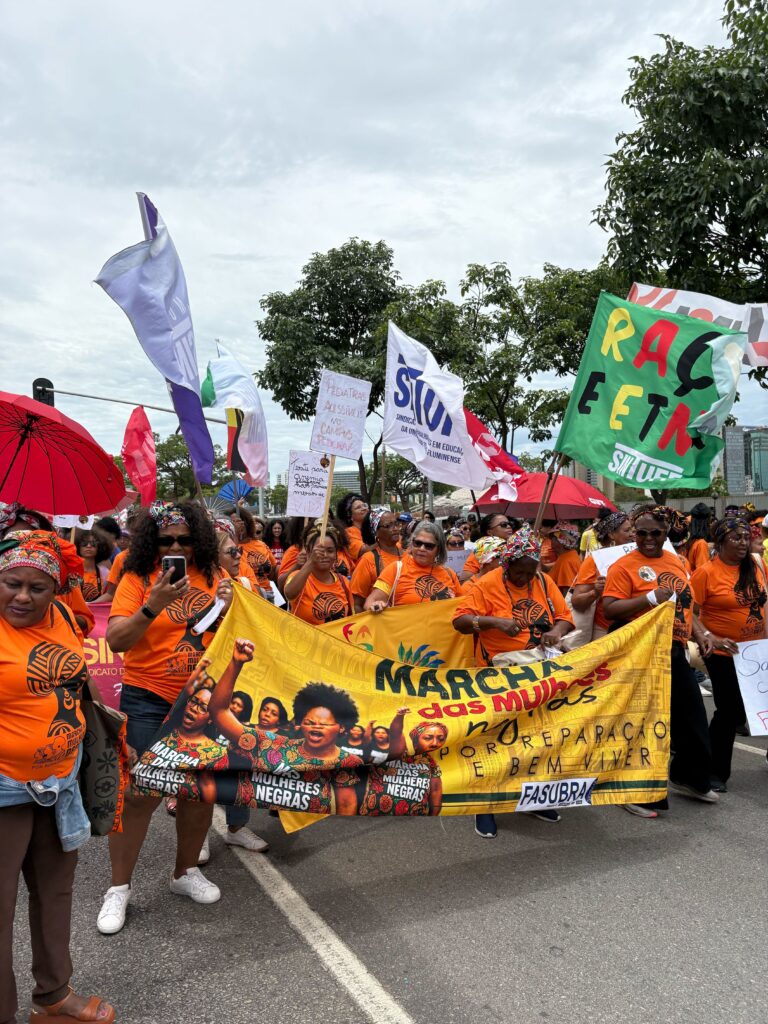
Brazil
Uniting for Justice and Bem Viver (“Good Living”)
We joined the Black Women’s March, which brought approximately 300,000 people to Brasília in one of the largest mobilizations led by Black women in Brazil’s history. The event united women from every region of Brazil and women of all backgrounds around a shared vision for justice and a future rooted in dignity for all people. Beyond the mass gathering, the march catalyzed days of civic engagement, with partners meeting with congressional leaders to advance policy agendas.
“Those of us working in the education space need to consider… what the values are that have led us to this point and what are the values required to move us forward. And that has everything to do with education. And it has everything to do with philanthropy… We need to reexamine the way we are doing philanthropy to less fragmented ways of doing philanthropy.”
Nathalie Zogbi
Lead Program Manager in Brazil, Imaginable Futures Brazil (speaking on the sidelines of COP)

Looking Ahead
As we reflect on 2025, we’re deeply grateful to our partners in Brazil, Kenya, and the United States. Their vision, leadership, and unwavering commitment have shaped every breakthrough, milestone, and moment of progress documented on these pages. They’ve shown us what’s possible when communities lead, when local perspectives and experiences shape solutions, and when collaboration becomes the foundation for lasting change.
In the year ahead, we’re focusing on ensuring that the bright futures we imagine for learners translate into lived realities. This means continuing to strengthen partnerships across sectors, shift narratives and policies around equity in education, and support the infrastructure and leaders needed to sustain progress. The momentum we’ve built thus far puts us on the path we will continue to journey in 2026 and beyond. We’re excited to continue this collective work with you. As we look ahead, we invite partners — current and future — to reimagine boldly with us, challenge what’s possible, and join us in shaping the world so all learners thrive and can live the lives they deserve.